
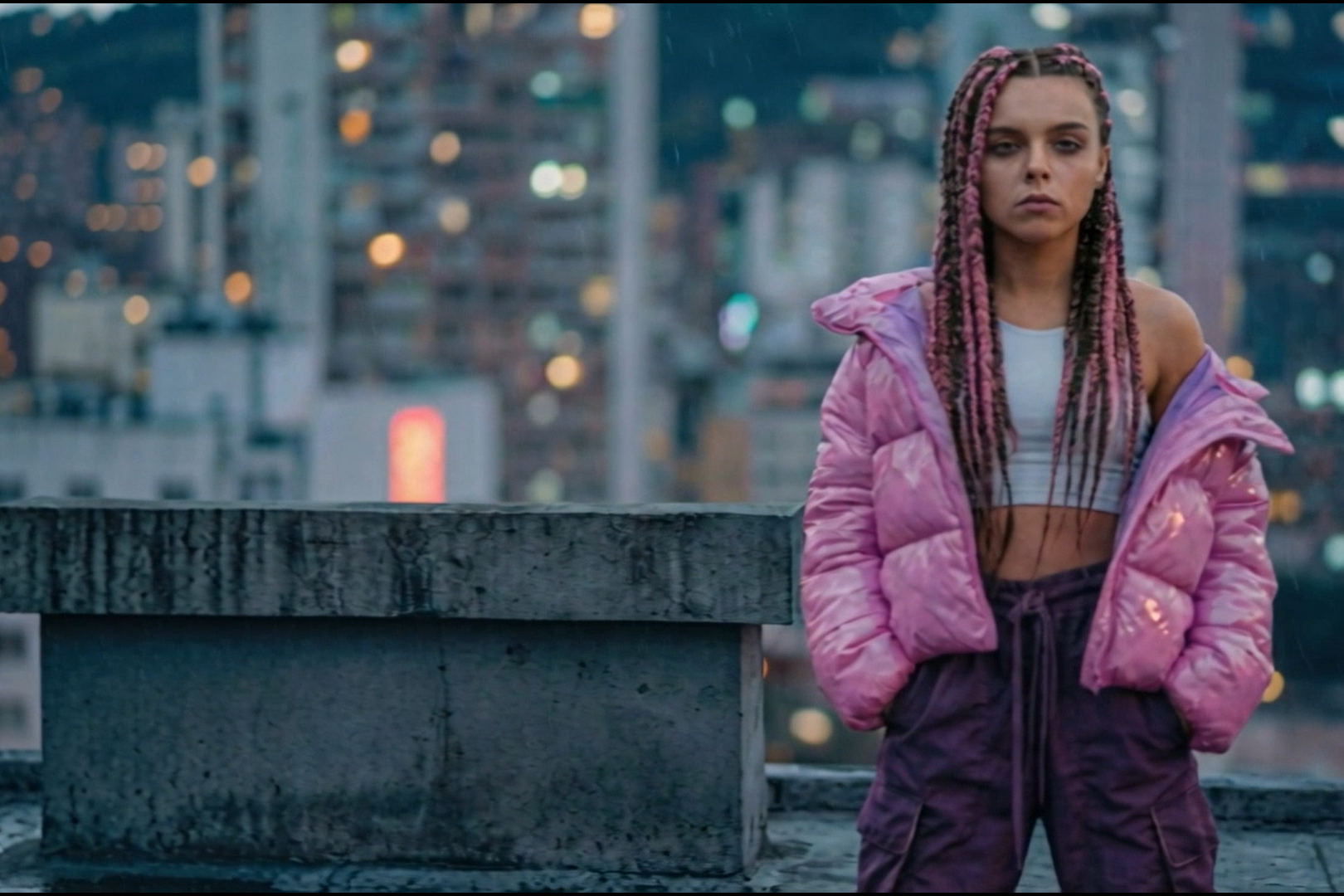
Panoramic - Pan
"Slow horizontal pan across [scene/character], smooth sweeping movement”
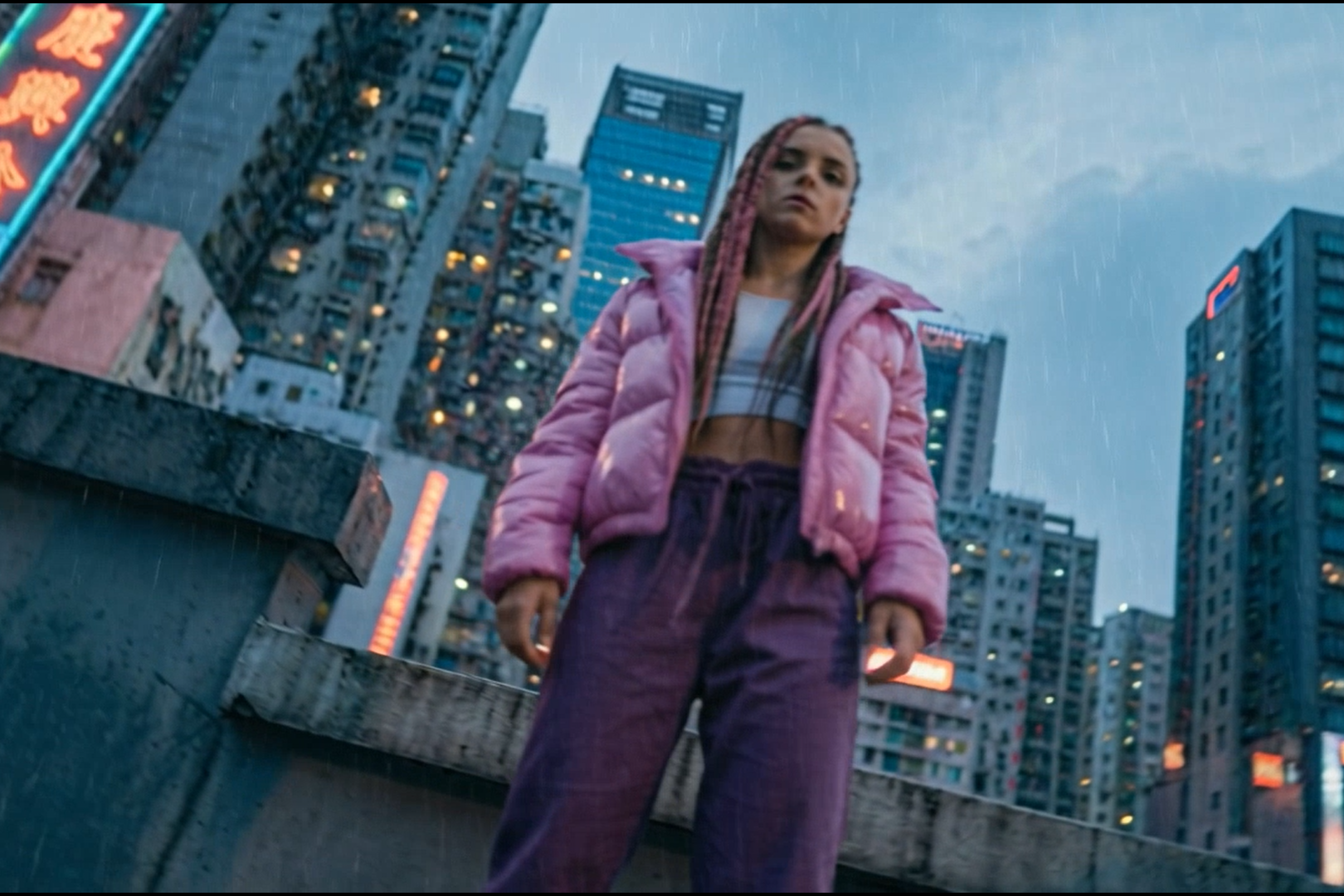
Handheld Camera
"Handheld camera movement, slight shake, following [character], raw cinematic style”
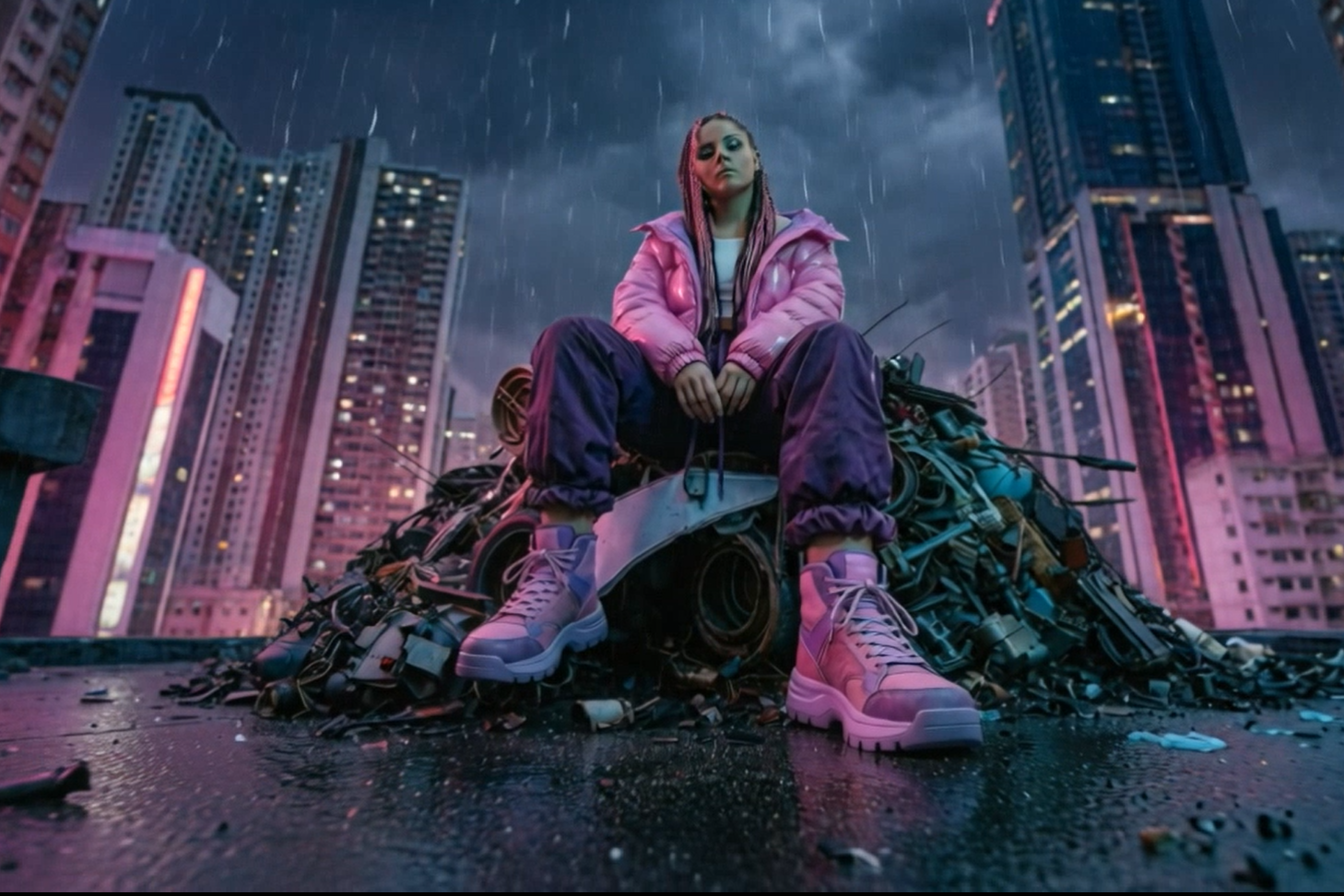
Dolly Out / Pull Out
"Slow pull out from [character], revealing environment, smooth backward movement”
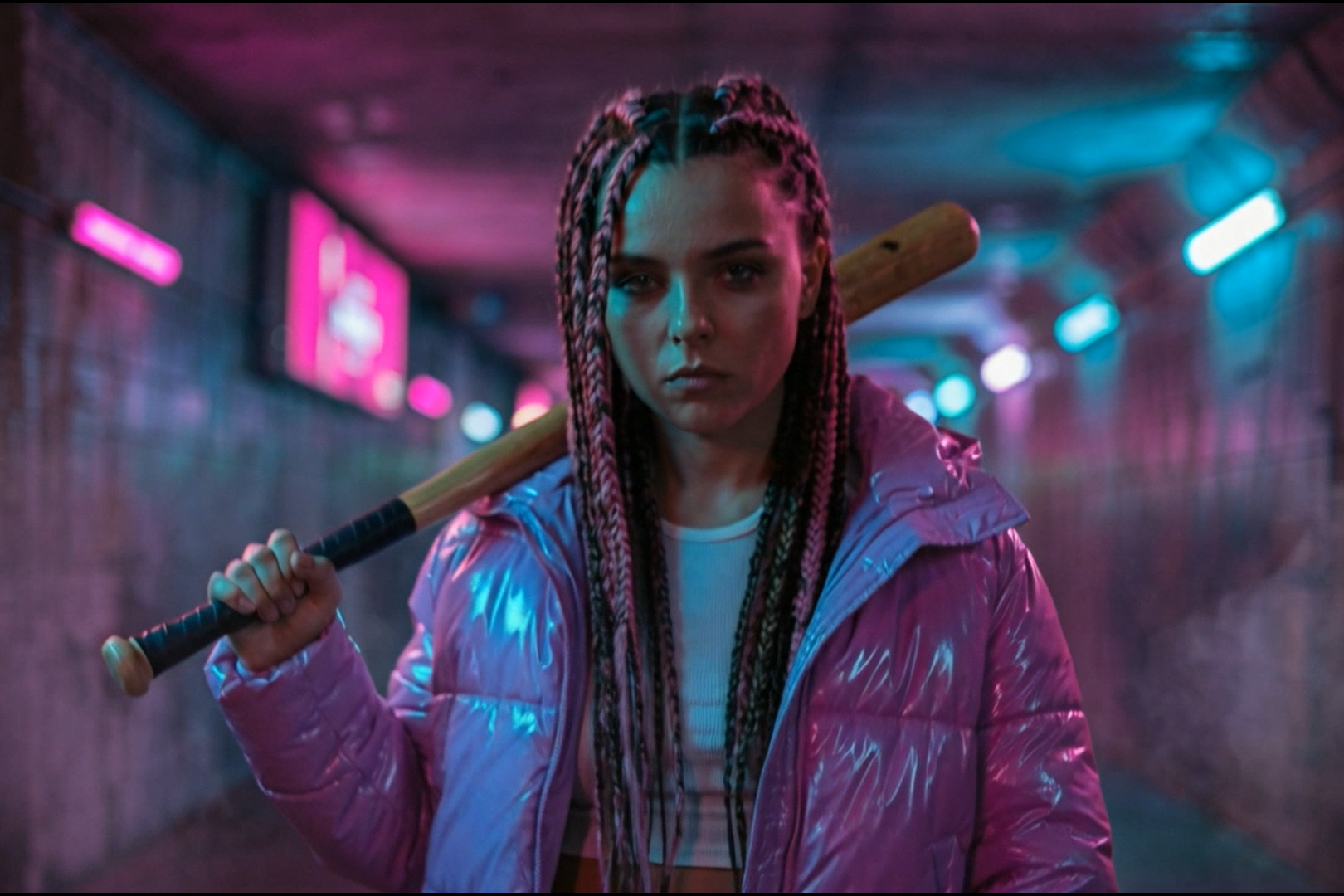
Tracking / Dolly Shot
Slow dolly out, camera moves slowly backwards away from the subject.
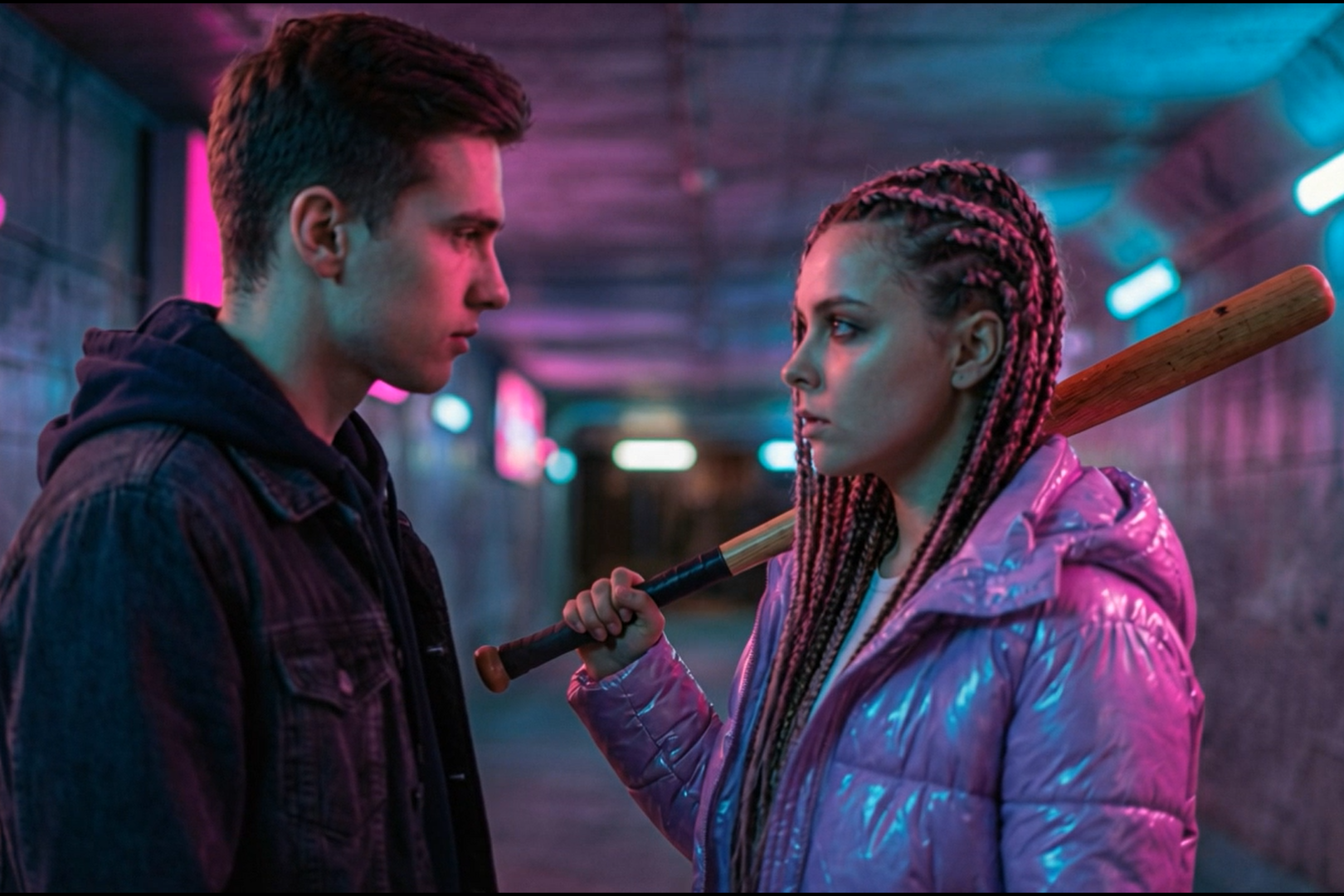
Dolly In / Push In
"Slow push in toward [character], smooth forward camera movement, building tension”
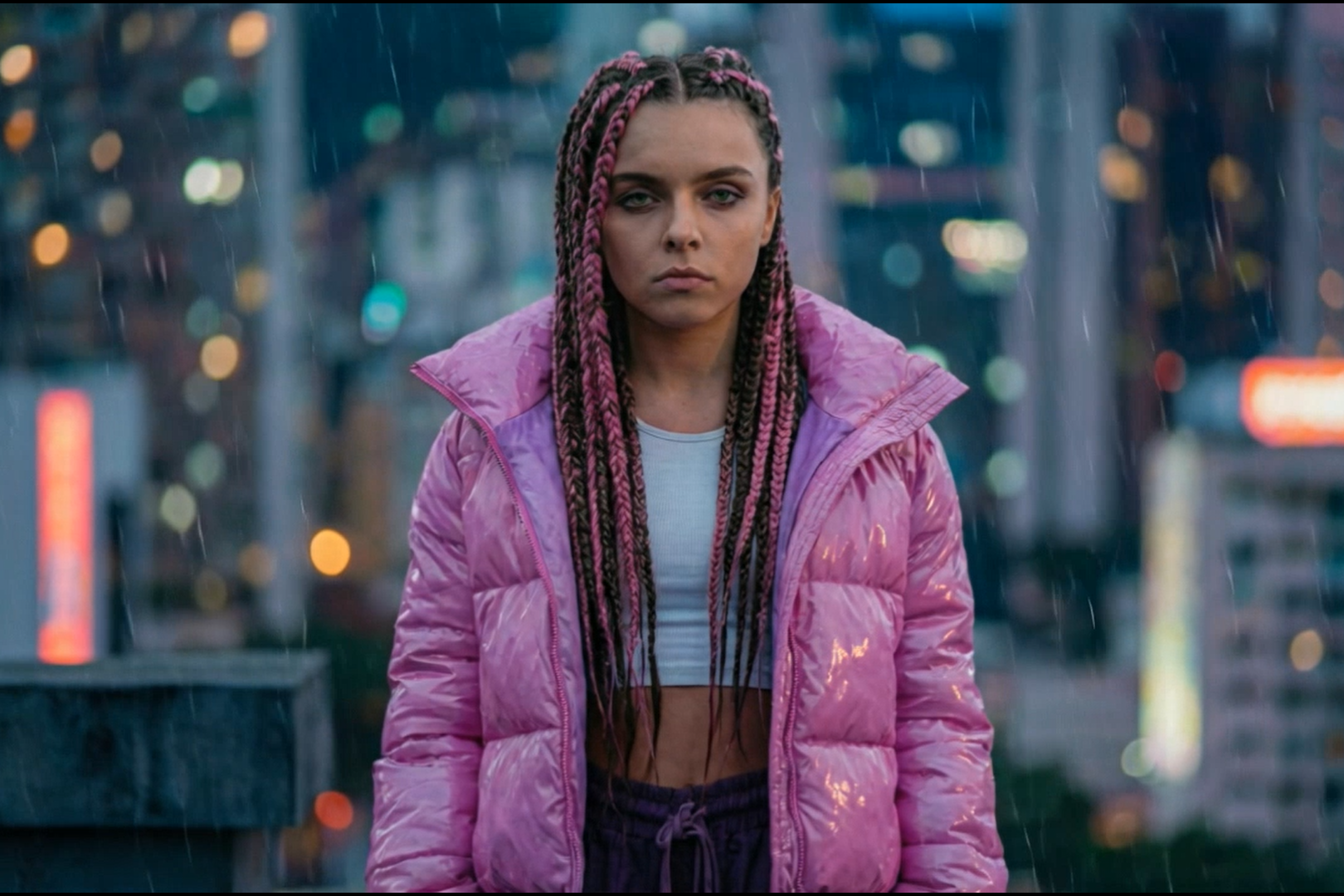
Static Camera
"Static camera, no movement, [character] in frame, locked off shot”
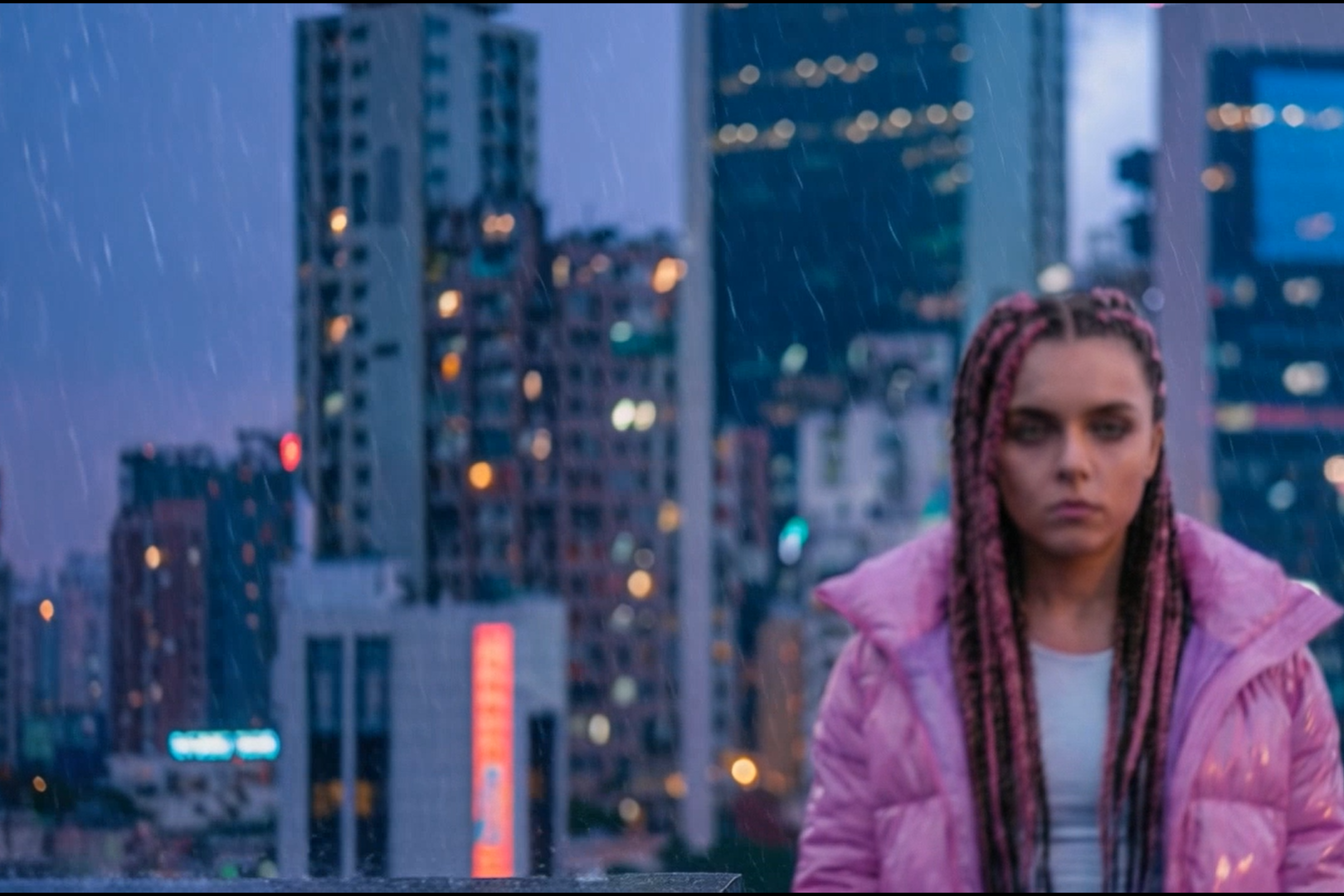
Tilt / Vertical Sweep
"Slow tilt up from [character's feet to face], vertical camera movement, dramatic reveal”

Orbit
"Camera orbits around [character], smooth rotation, cinematic movement”
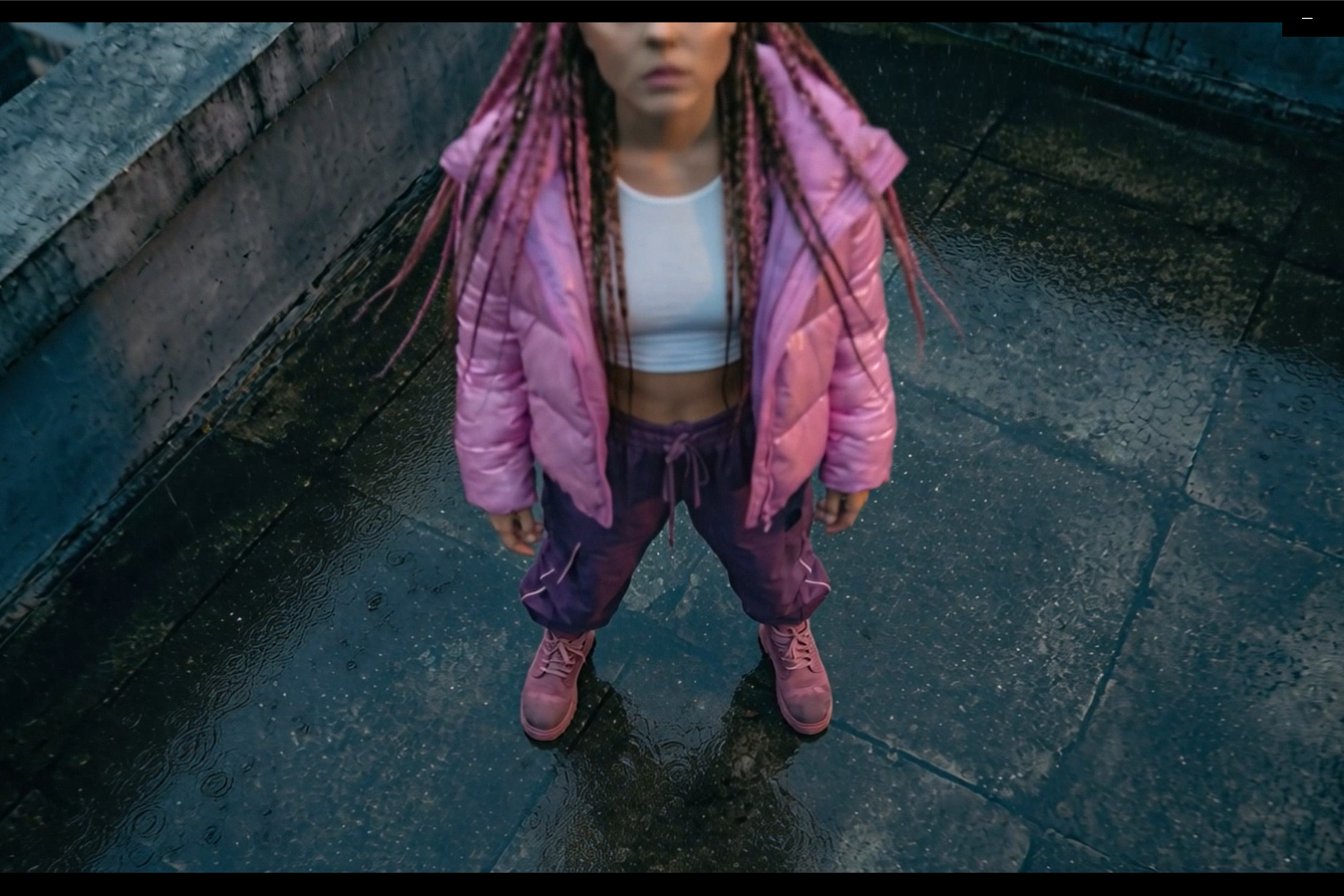
Crane Down
"Camera cranes down toward [character], descending movement, dramatic approach”
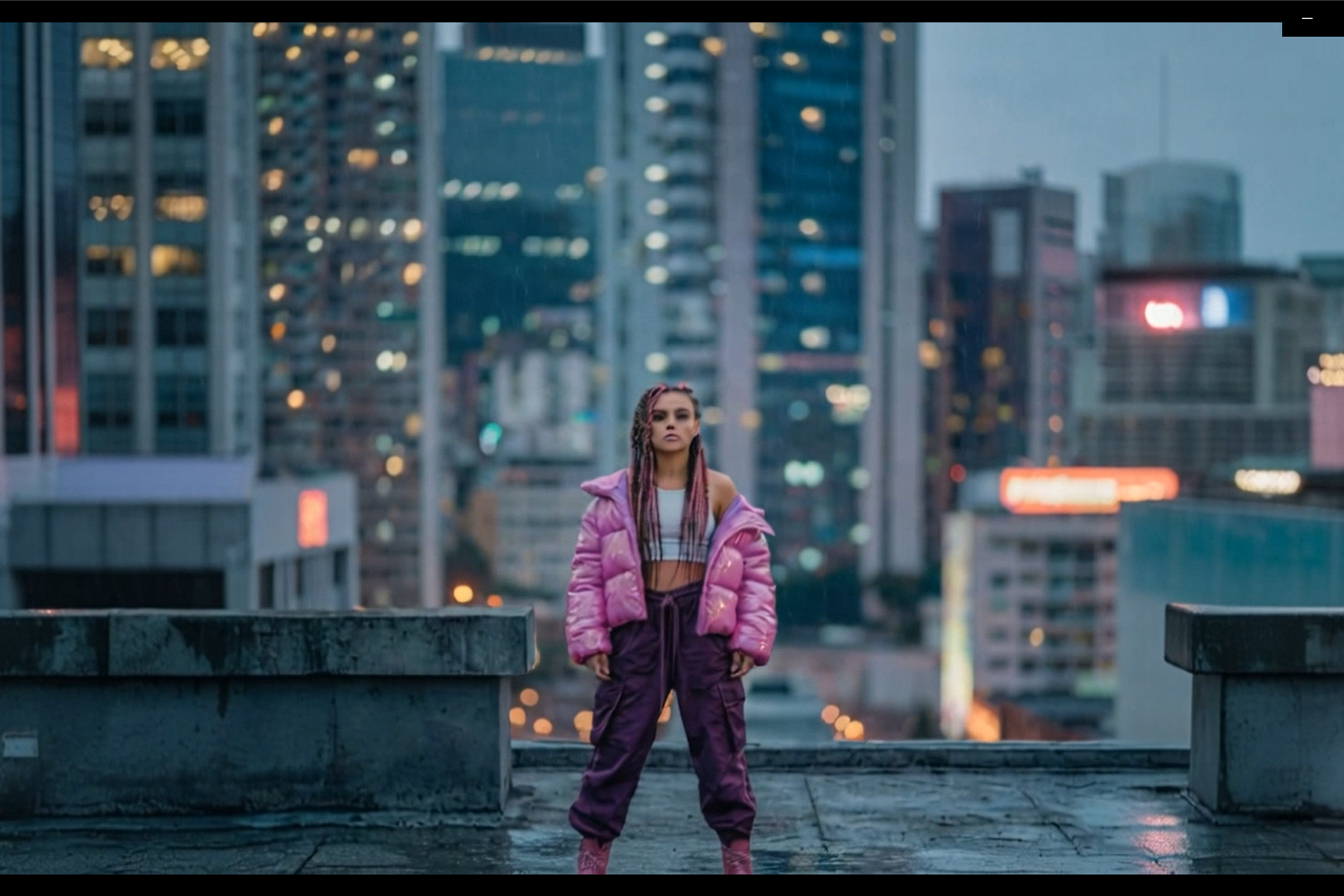
Crane Up
"Camera cranes up from [character], rising movement revealing landscape, cinematic ascent”
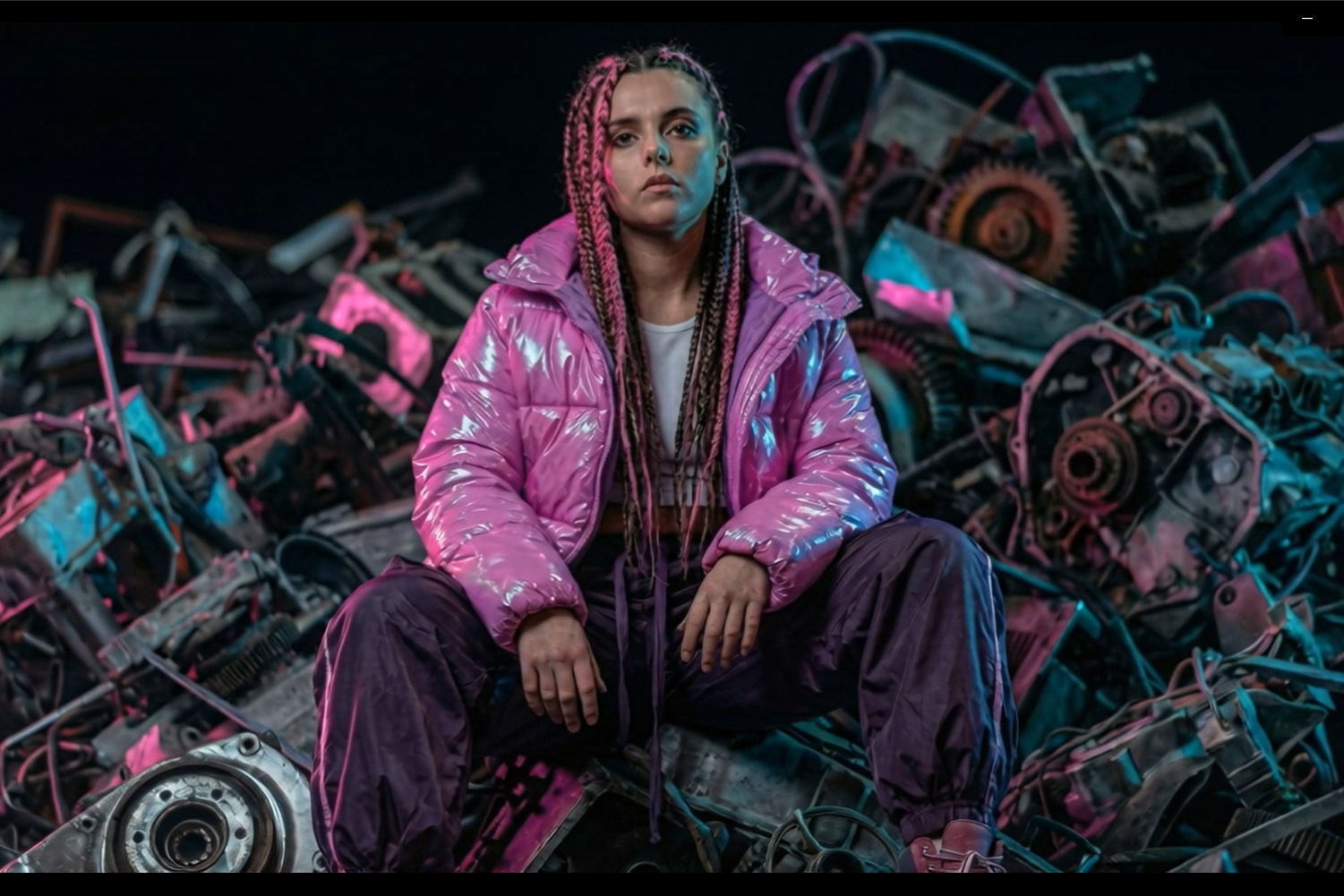
Dolly Zoom
Vertigo effect, dolly zoom out, camera moves backward while zooming in, background expands.
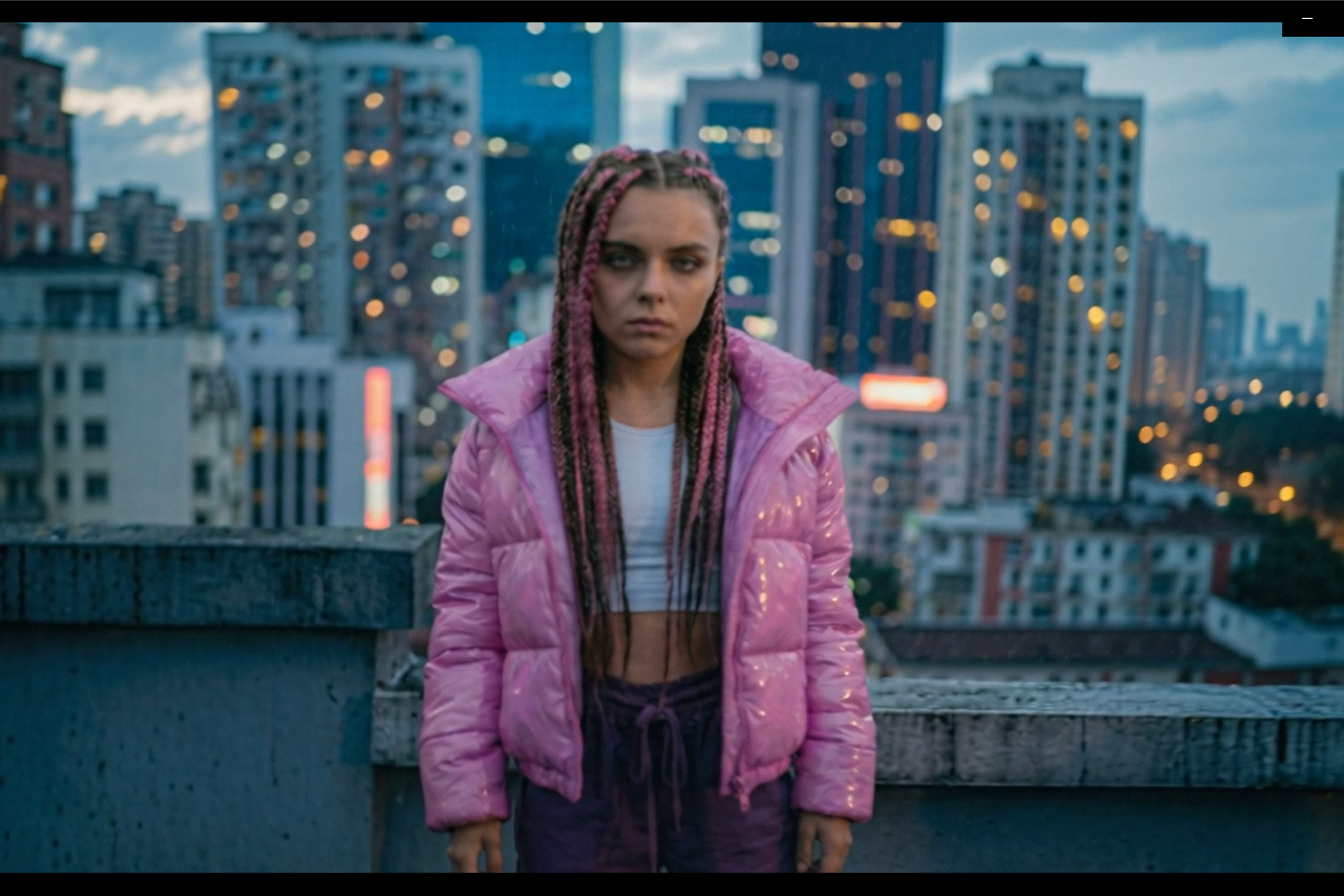
Roll
Camera Rotation
Understanding camera movements
Is vital because they transform static scenes into immersive, cinematic experiences that convey emotion, build tension, and drive the story. Properly executed movements—like panning to reveal a location or tracking to follow a character—control the audience’s perspective and guide their attention without unnecessary cuts.
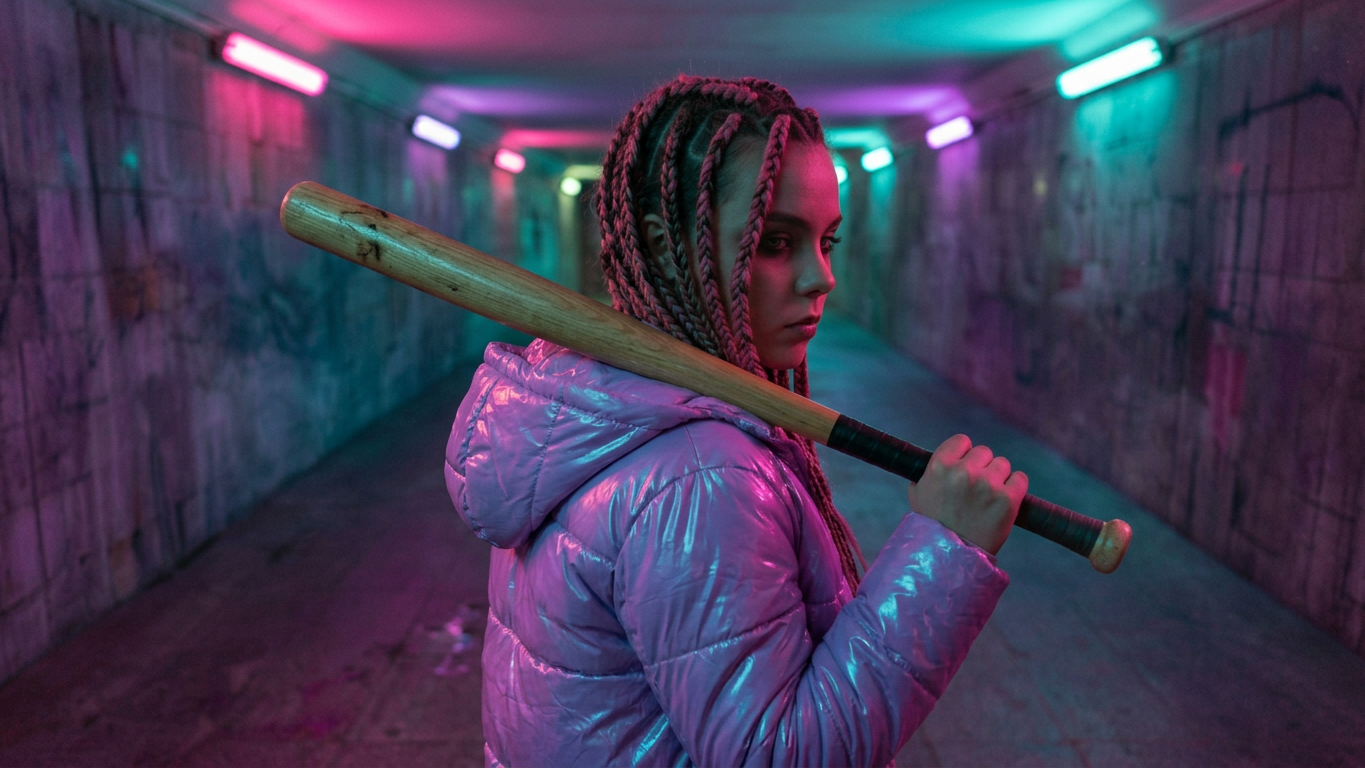
Understanding camera movement is essential
Because it transforms simple images into emotional storytelling. Each movement carries intention: a slow push-in intensifies emotion, while a sudden pull-back can expose isolation or shift perspective. These choices shape how the audience feels in relation to the scene.
Camera techniques also define the viewer’s experience. Handheld shots place the audience inside the moment, creating immediacy and tension, while smooth tracking shots offer a more controlled, observational tone. This contrast allows filmmakers to manipulate immersion with precision.
Movement brings rhythm to the visual language of a film. Without it, scenes risk feeling static. With it, they gain flow, energy, and continuity. Combining movements—like panning while tracking—creates layers of visual dynamism that keep the audience engaged.
Beyond emotion and rhythm, camera movement reveals information. A simple pan or tilt can introduce new elements, expand the world, or uncover details that reshape the narrative. It guides discovery in a way that feels natural and cinematic.
Most importantly, movement directs attention. It tells the audience where to look, what matters, and in what order. A well-executed crane or tracking shot can lead the eye seamlessly through a scene, reinforcing narrative clarity.
But more than mastering techniques, what truly matters is understanding why the camera moves. Every choice should serve a purpose—emotional, psychological, or narrative. Because in the end, the power of camera movement is not in how it looks, but in what it makes the audience feel.