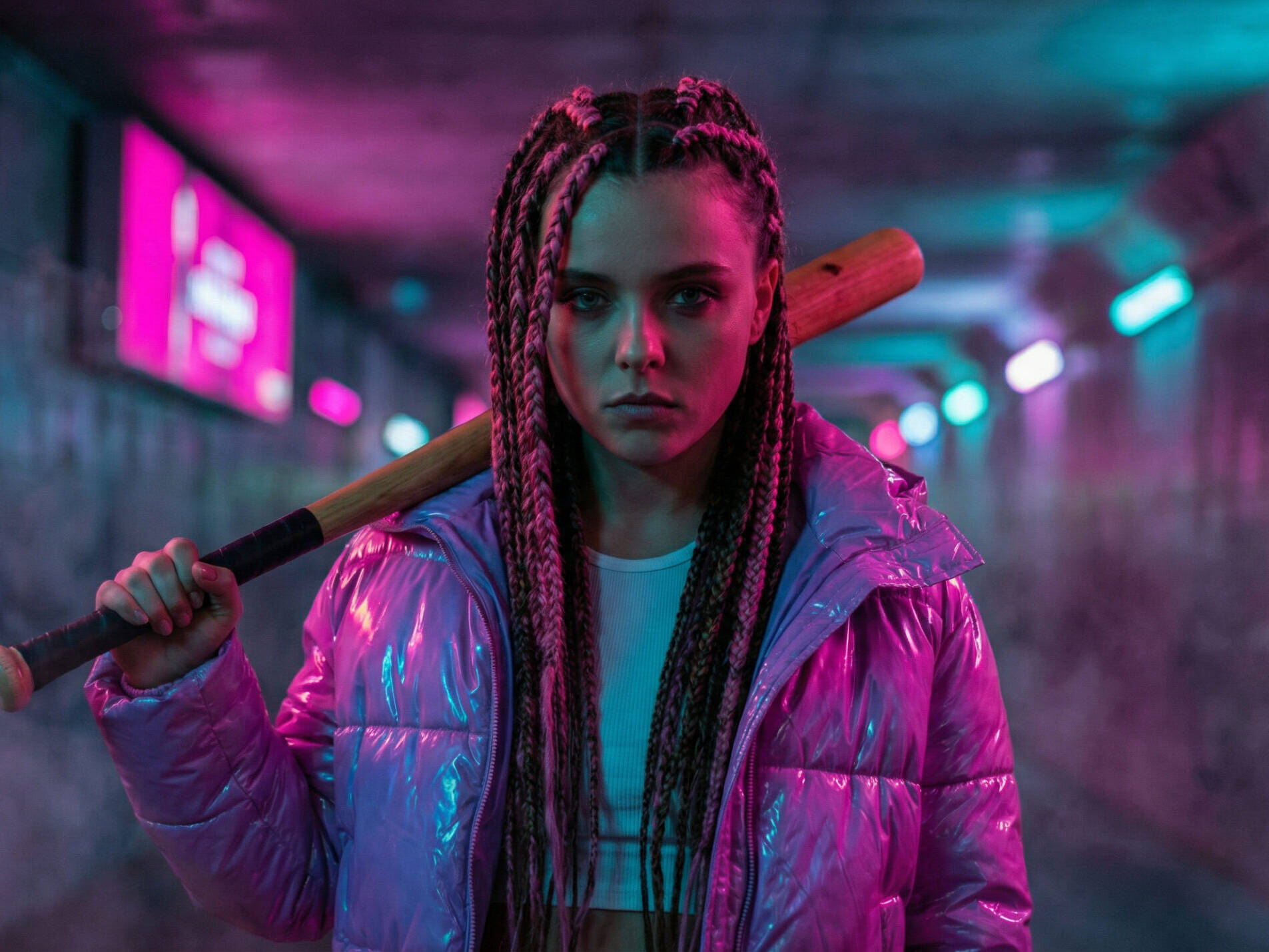
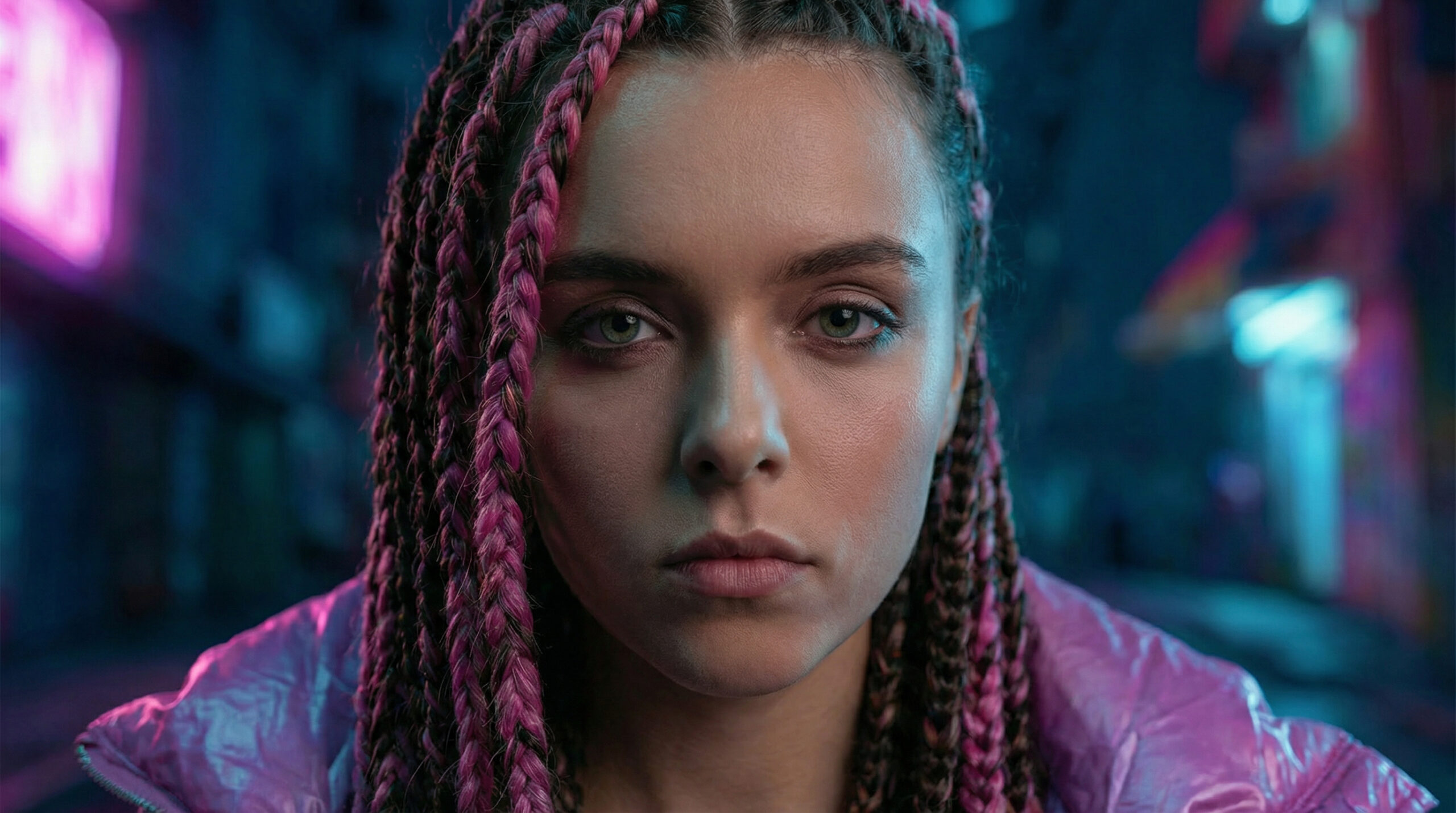
Eyelevel Close Up shot
"Eye-level close-up shot of [character], cinematic lighting, showing detailed facial expression”
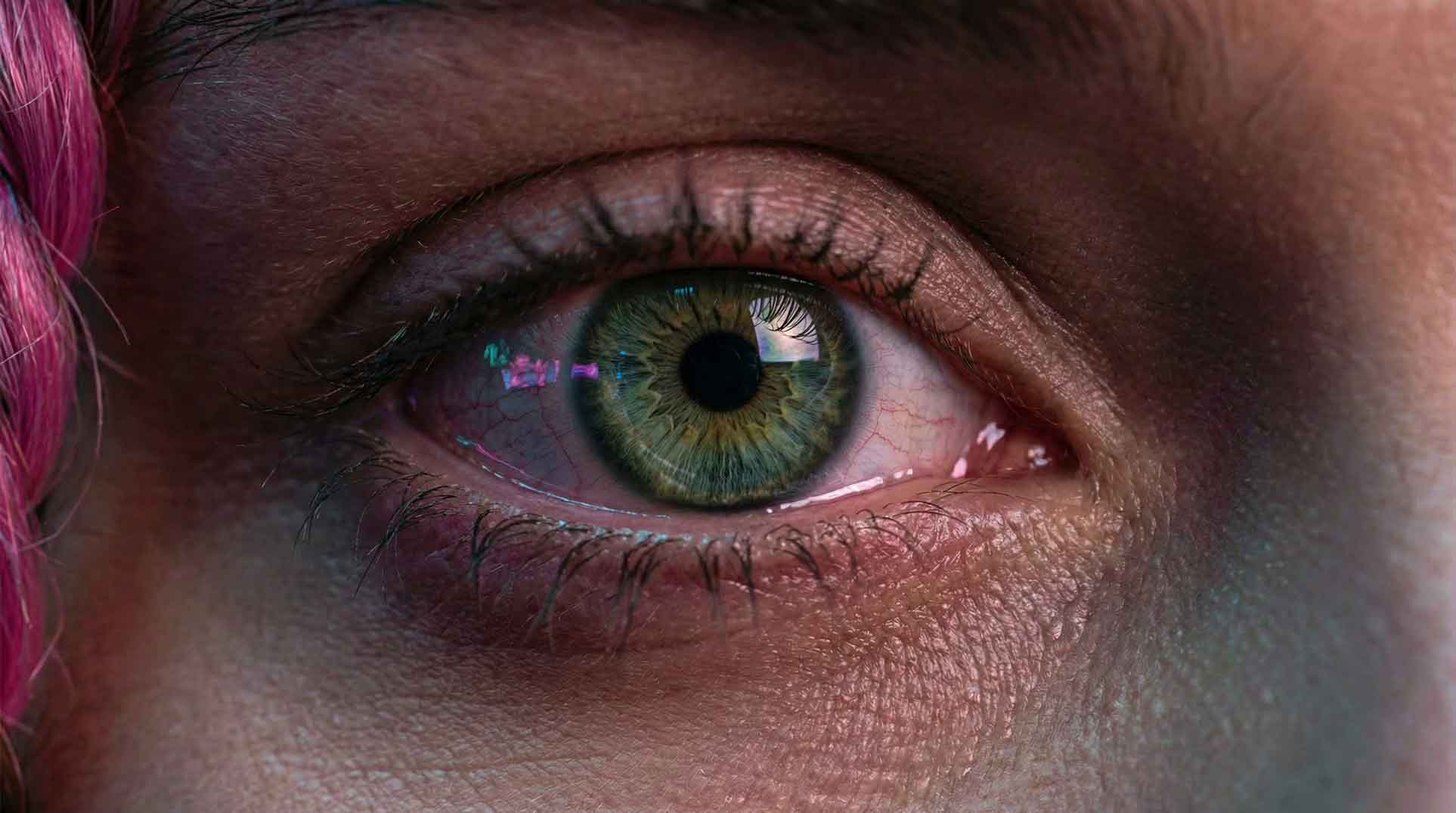
Extreme close Up
"Extreme close-up of [character]'s face, showing detailed emotional expression, cinematic lighting”
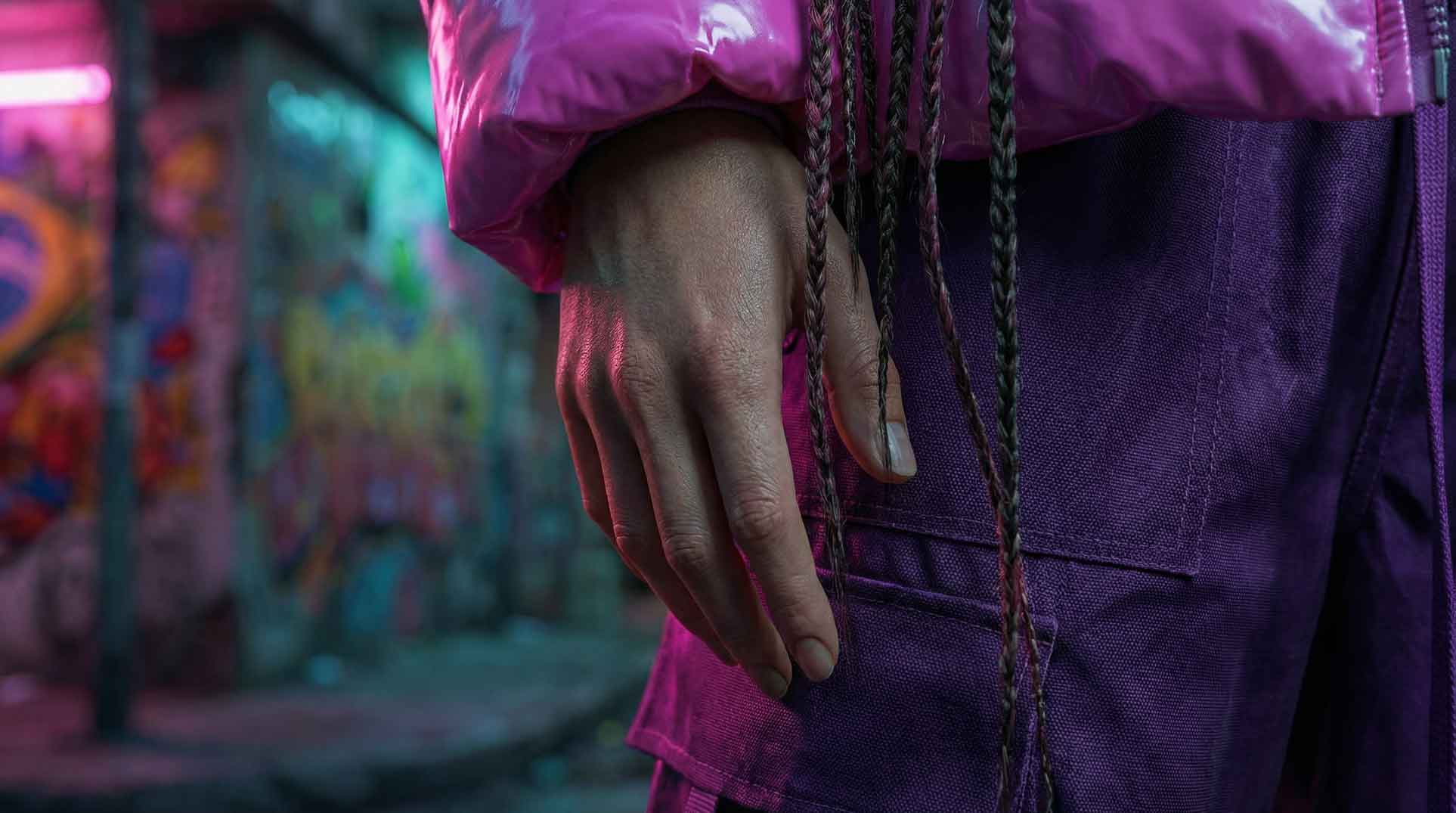
Macro shot Hand
"Macro shot focusing on [character]'s [specific feature: eye/hand/detail], extreme detail, cinematic lighting”
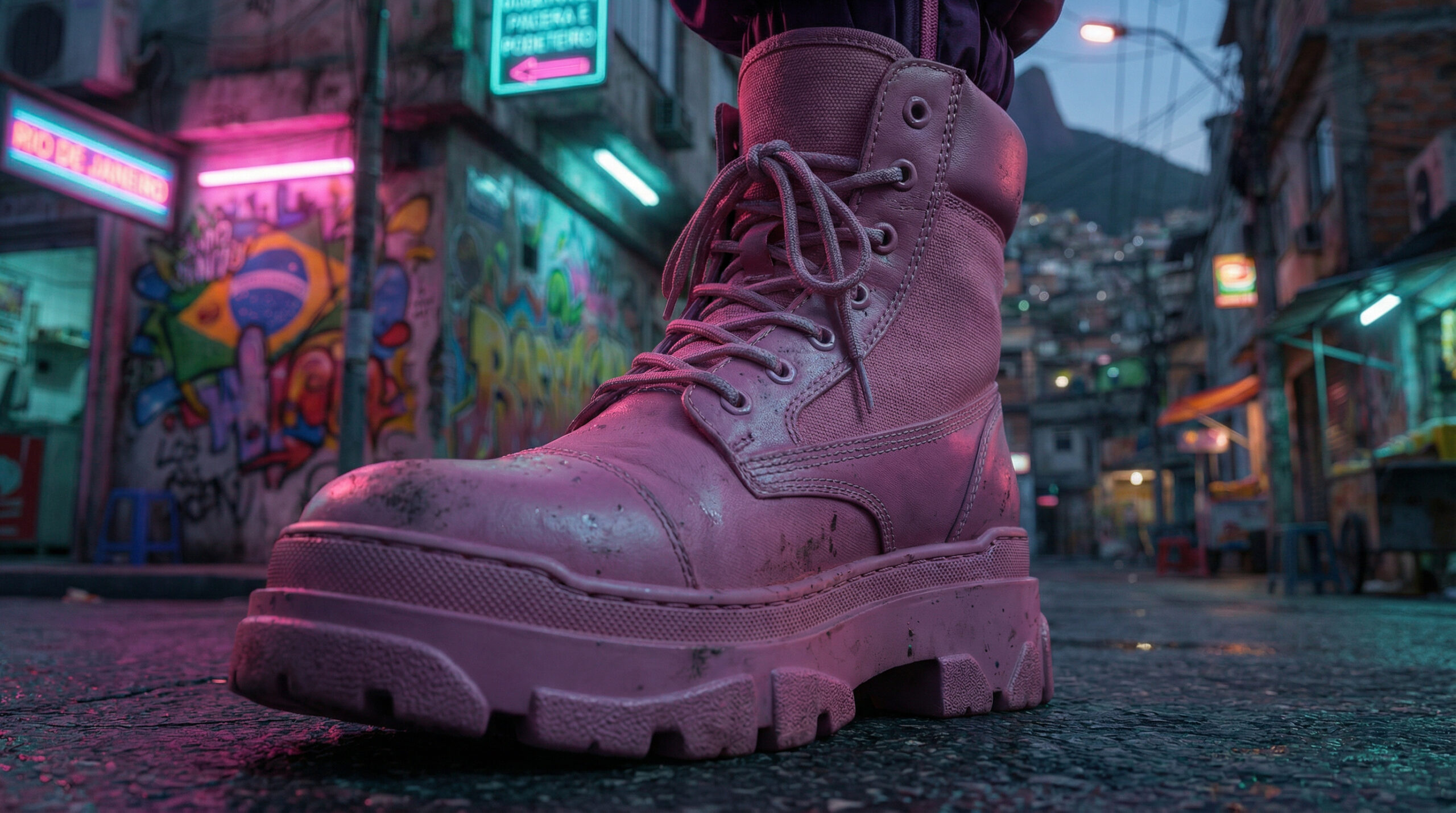
Macro shot Boot
"Macro shot focusing on [character]'s [specific feature: eye/hand/detail], extreme detail, cinematic lighting”
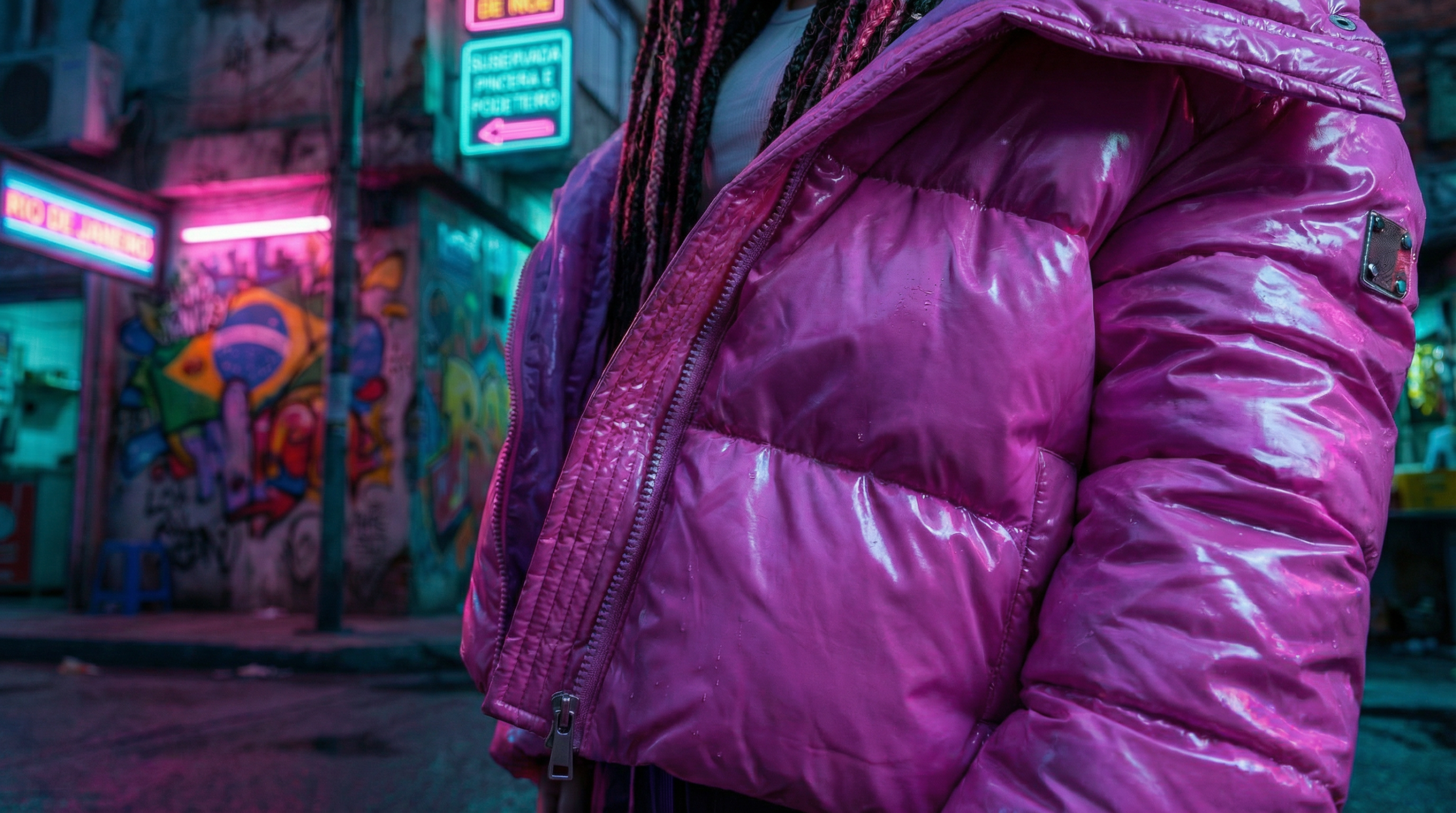
Macro shot Jacket
"Macro shot focusing on [character]'s [specific feature: eye/hand/detail], extreme detail, cinematic lighting”
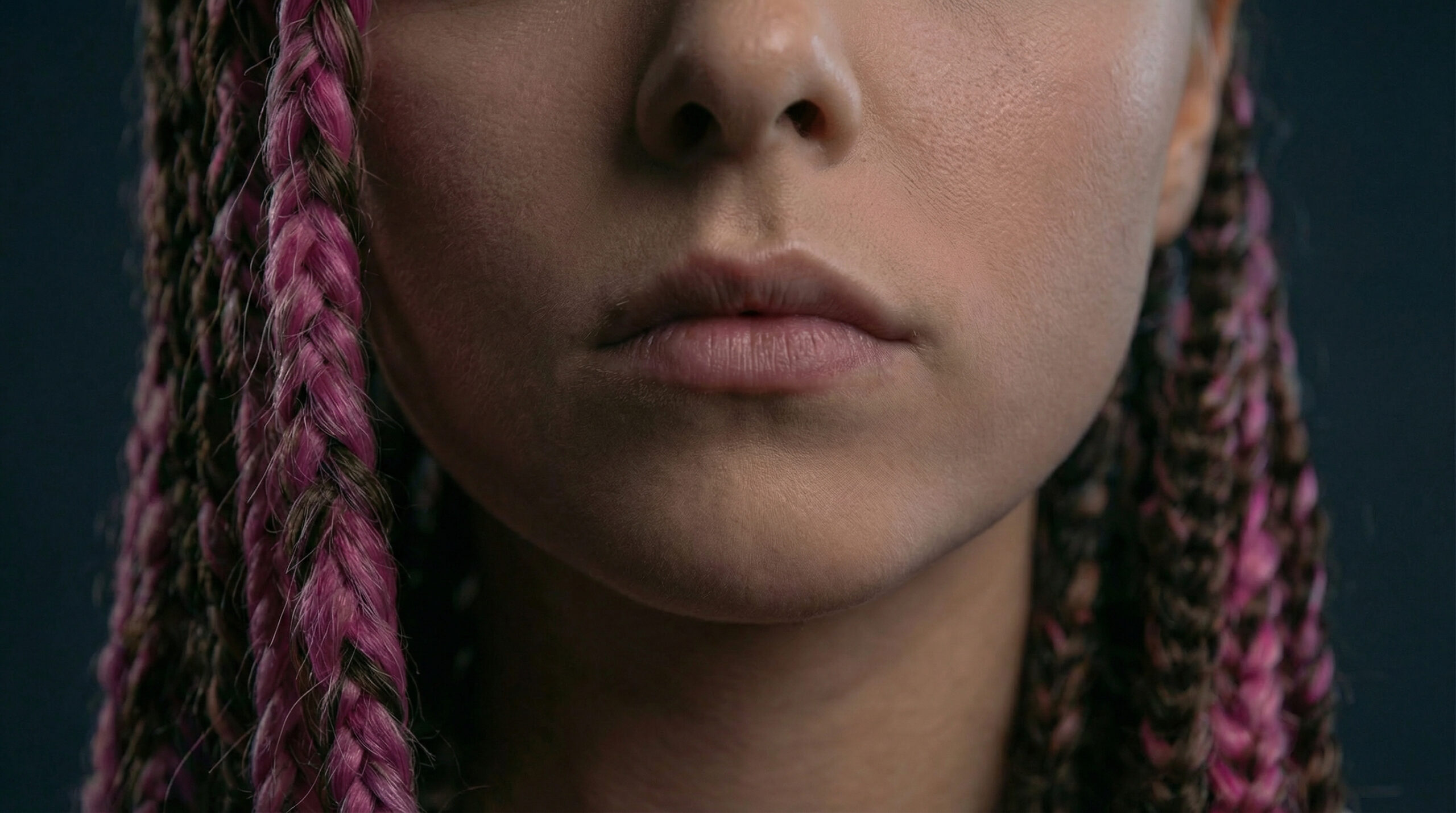
Macro shot Lowerface
"Macro shot focusing on [character]'s [specific feature: eye/hand/detail], extreme detail, cinematic lighting”
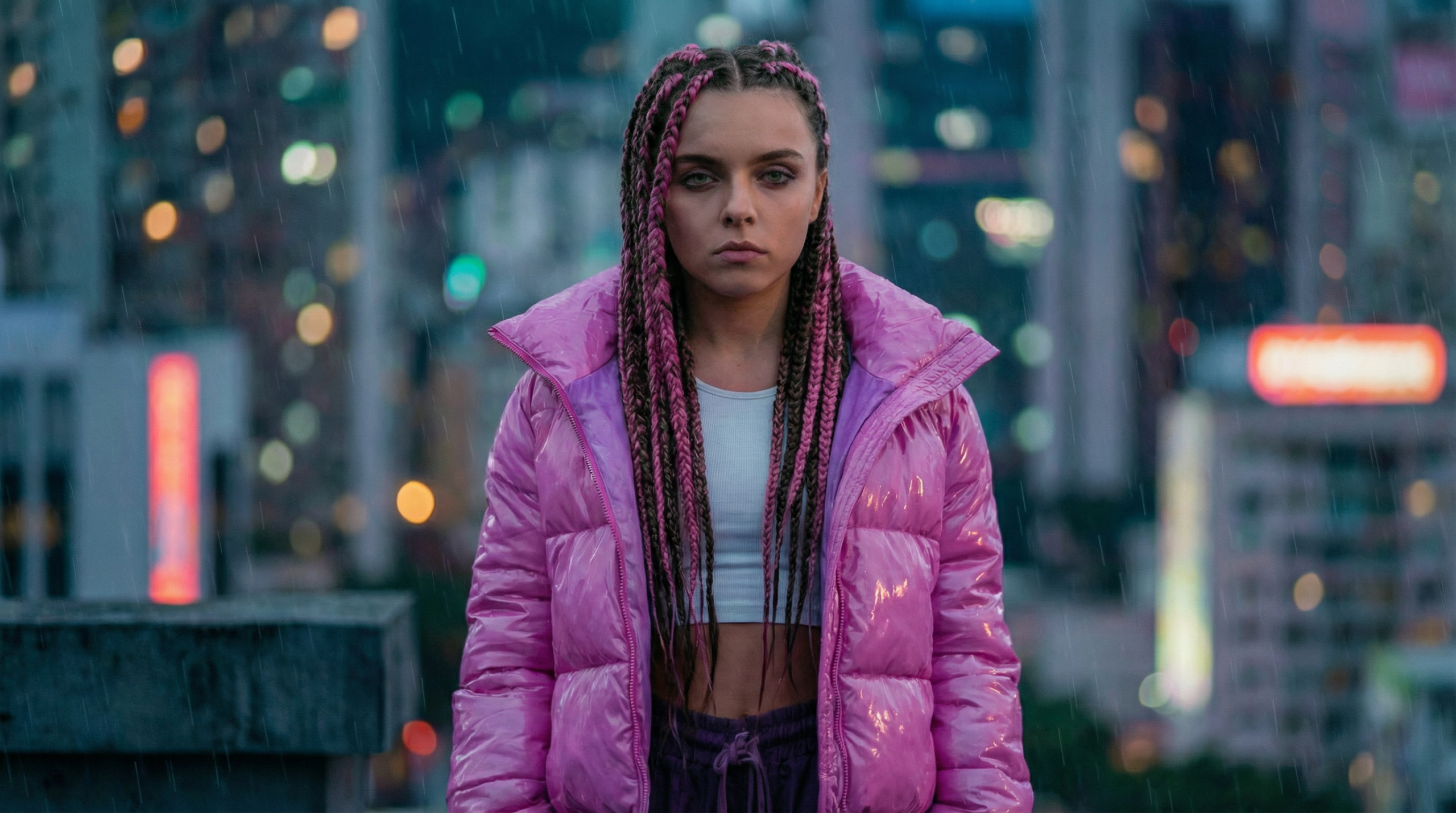
Medium shot
"Medium shot of [character] standing in the environment, cinematic composition”
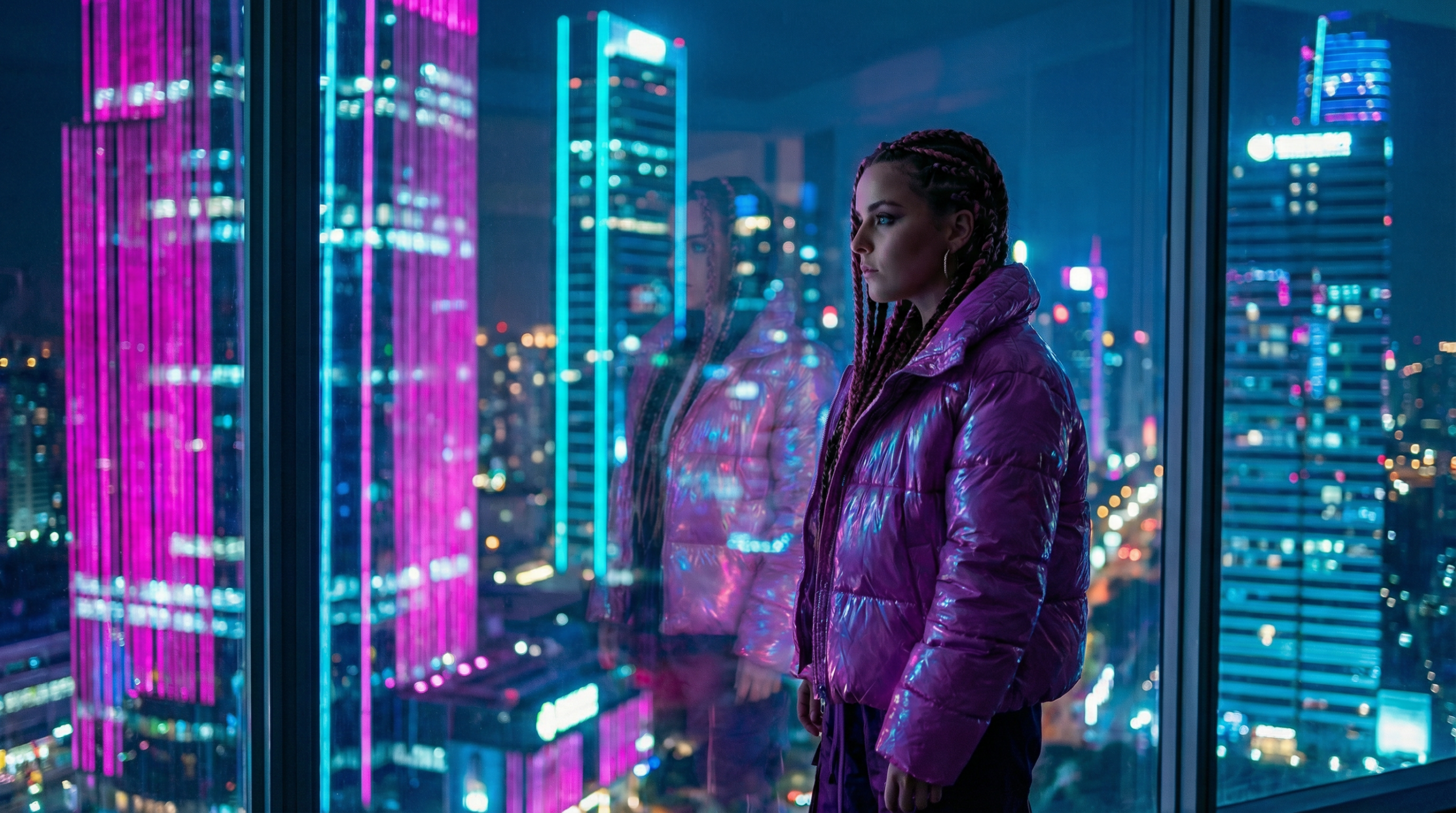
Medium Shot City
"Medium shot of [character] standing in the environment, cinematic composition”
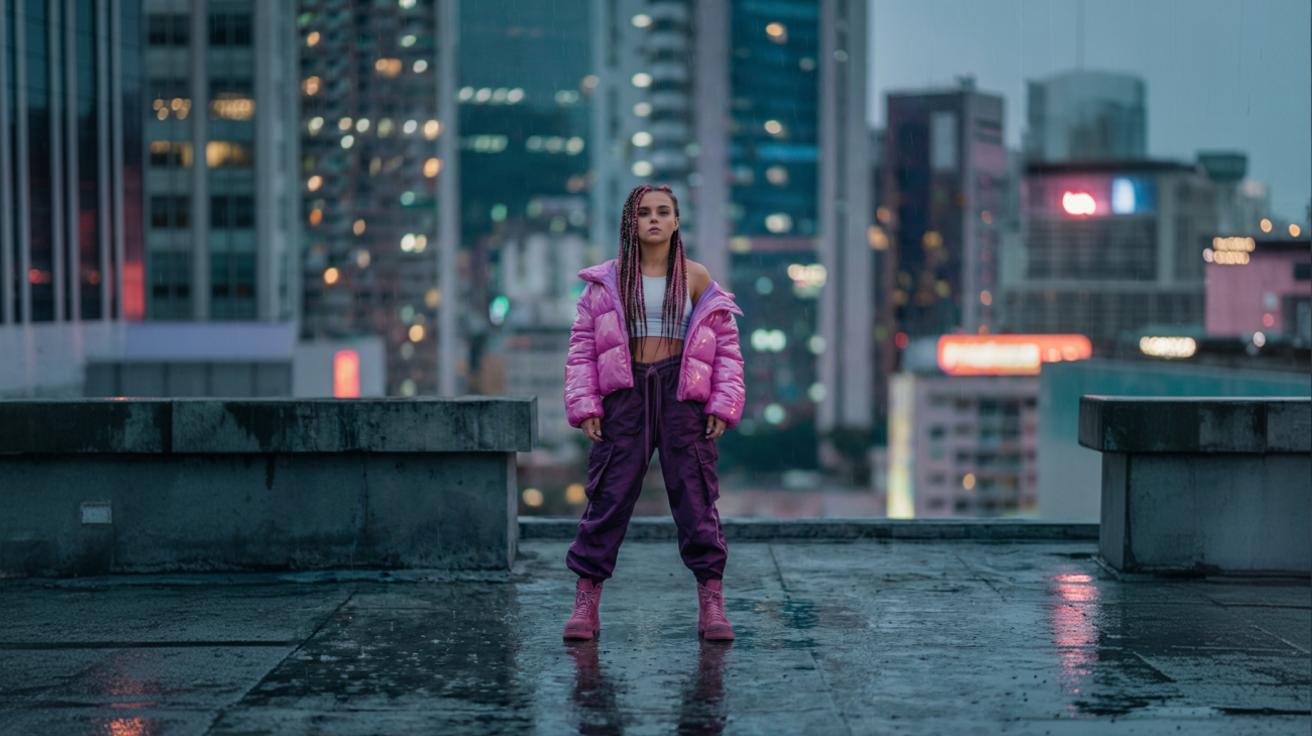
Wide shot City
"Wide shot of [character] standing in the environment, cinematic composition”
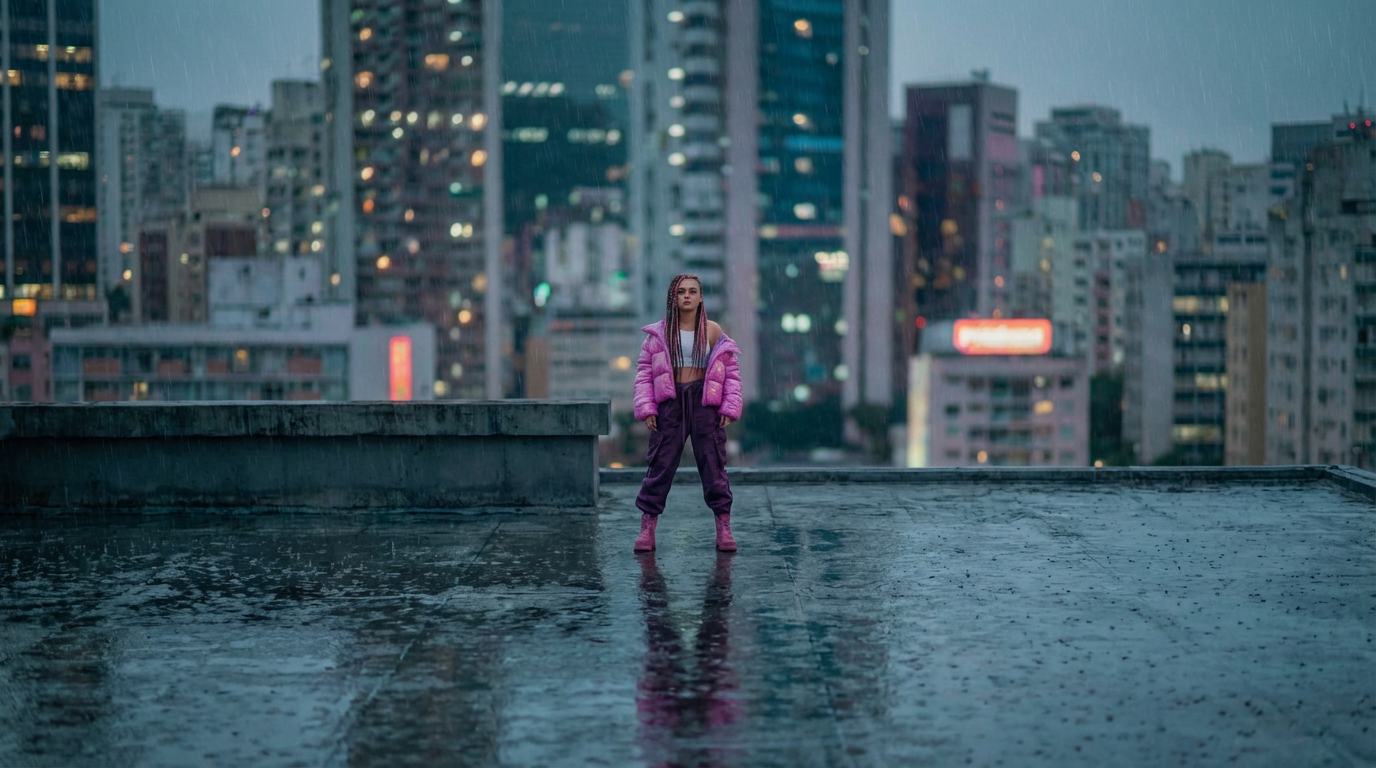
Extreme Wide Shot
"Extreme Wide shot of [character] standing in the environment, cinematic composition”
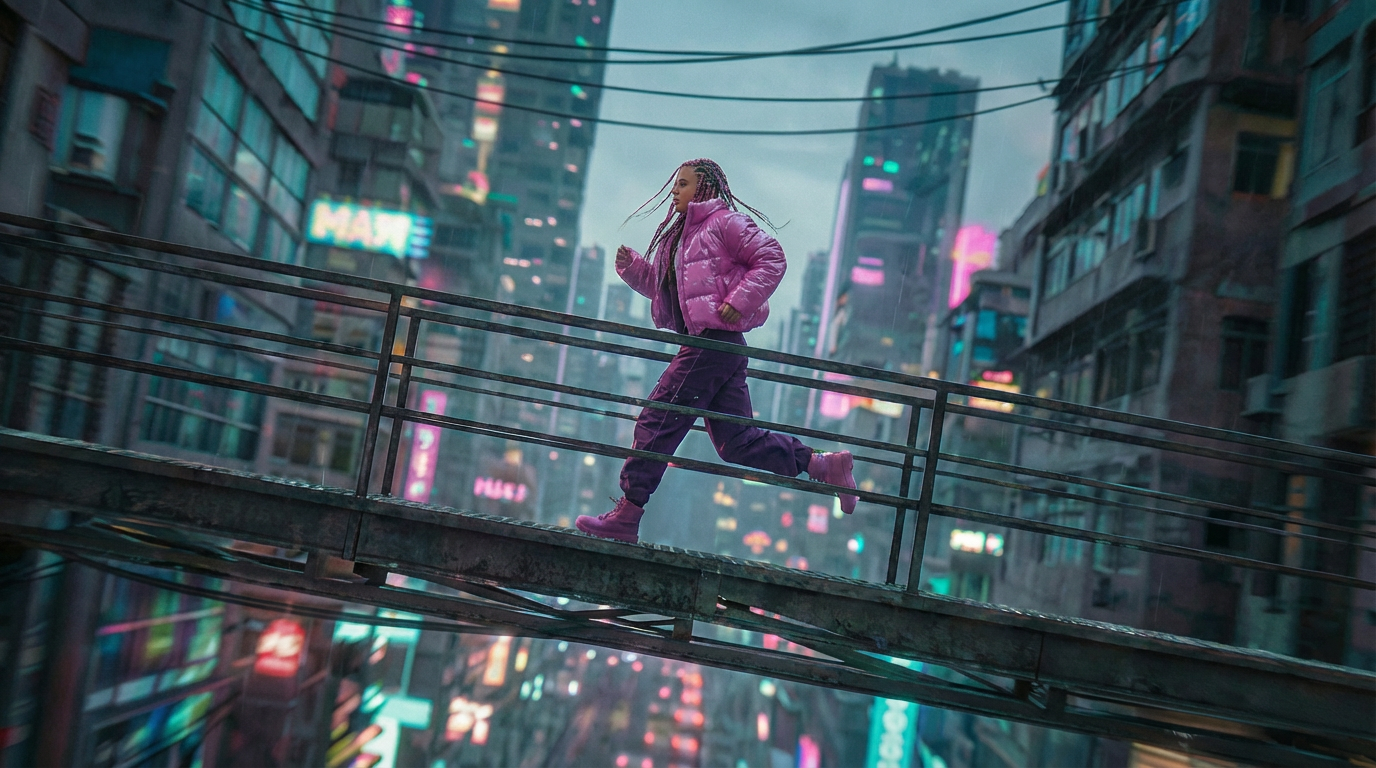
Wide shot Bridge
"Wide shot of [character] standing in the environment, cinematic composition”
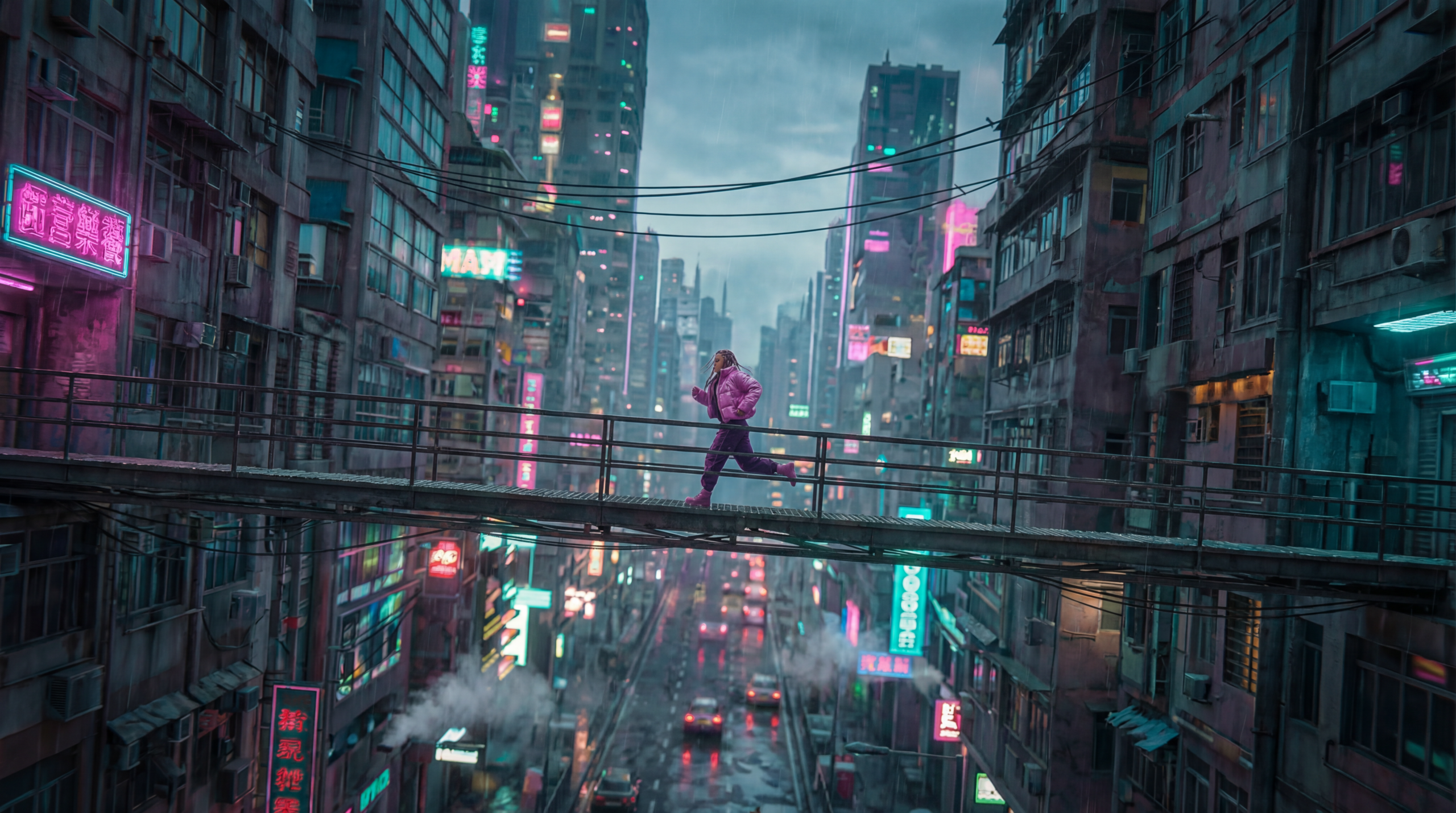
Extreme Wide Shot Bridge
"Extreme Wide shot of [character] standing in the environment, cinematic composition”
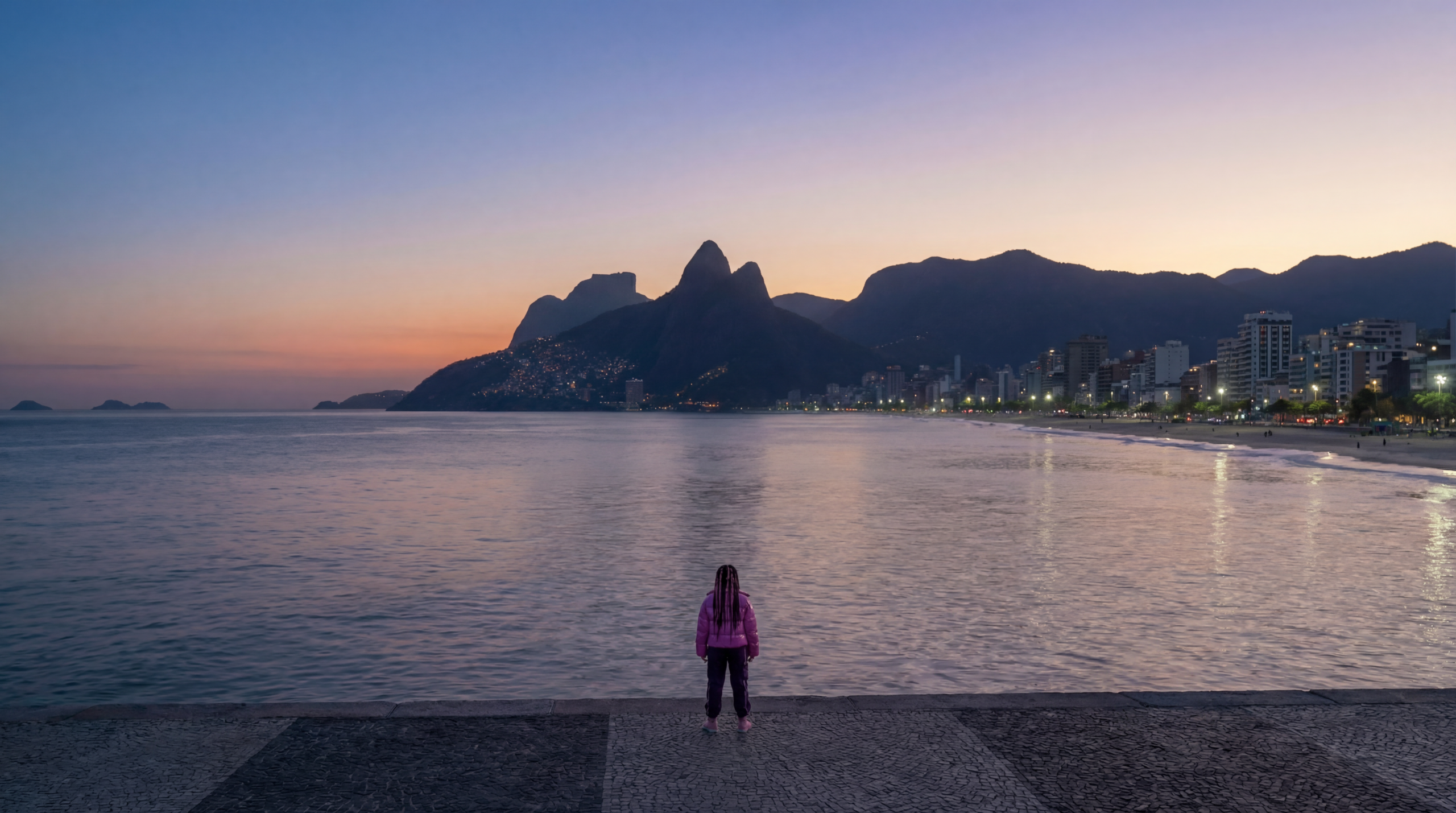
Extreme Wide shot beach
"Extreme Wide shot of [character] standing in the environment, cinematic composition”
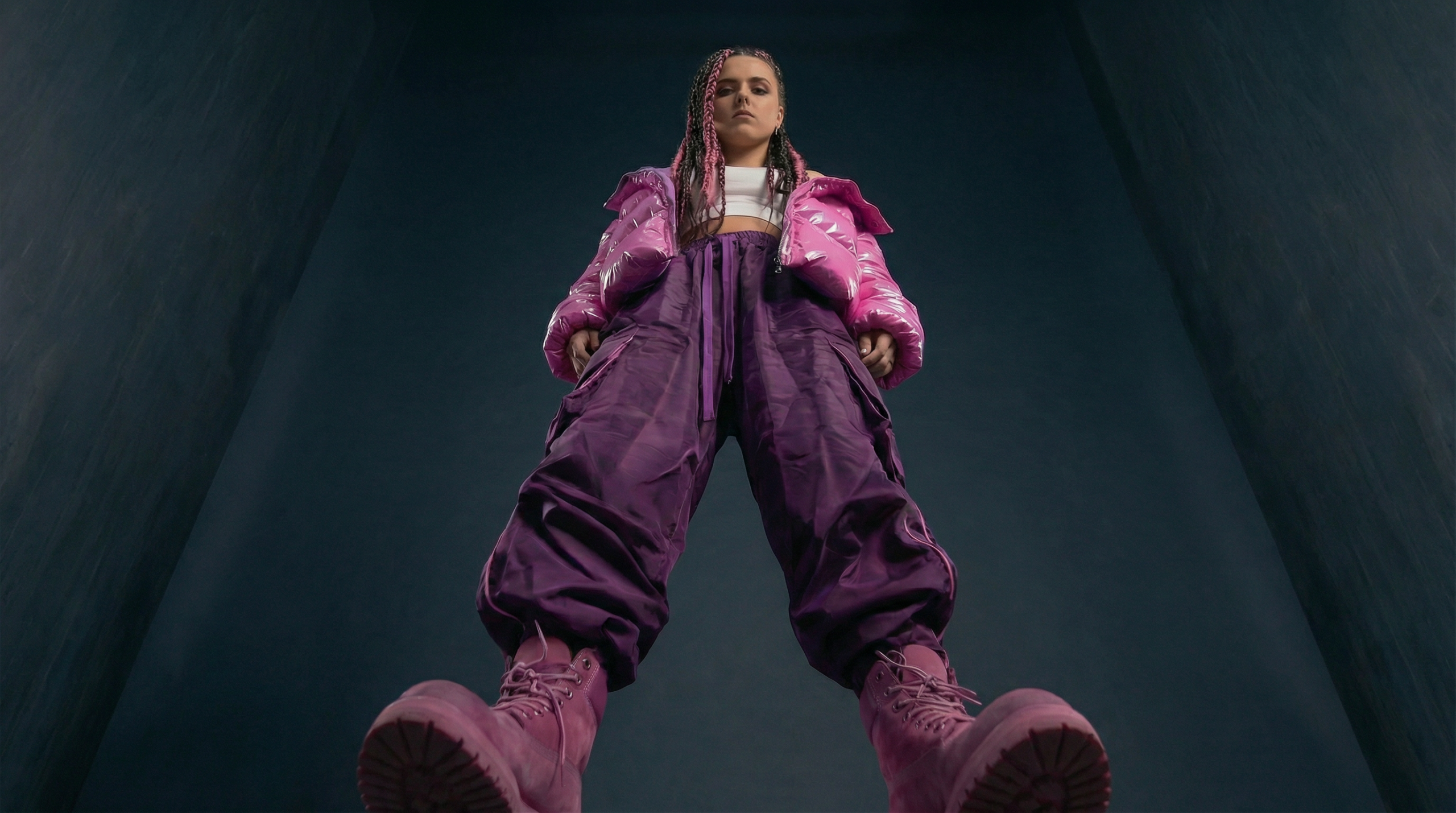
Worms Eye
"Extreme low angle worm's eye view of [character], camera at ground level looking up, dramatic lighting”
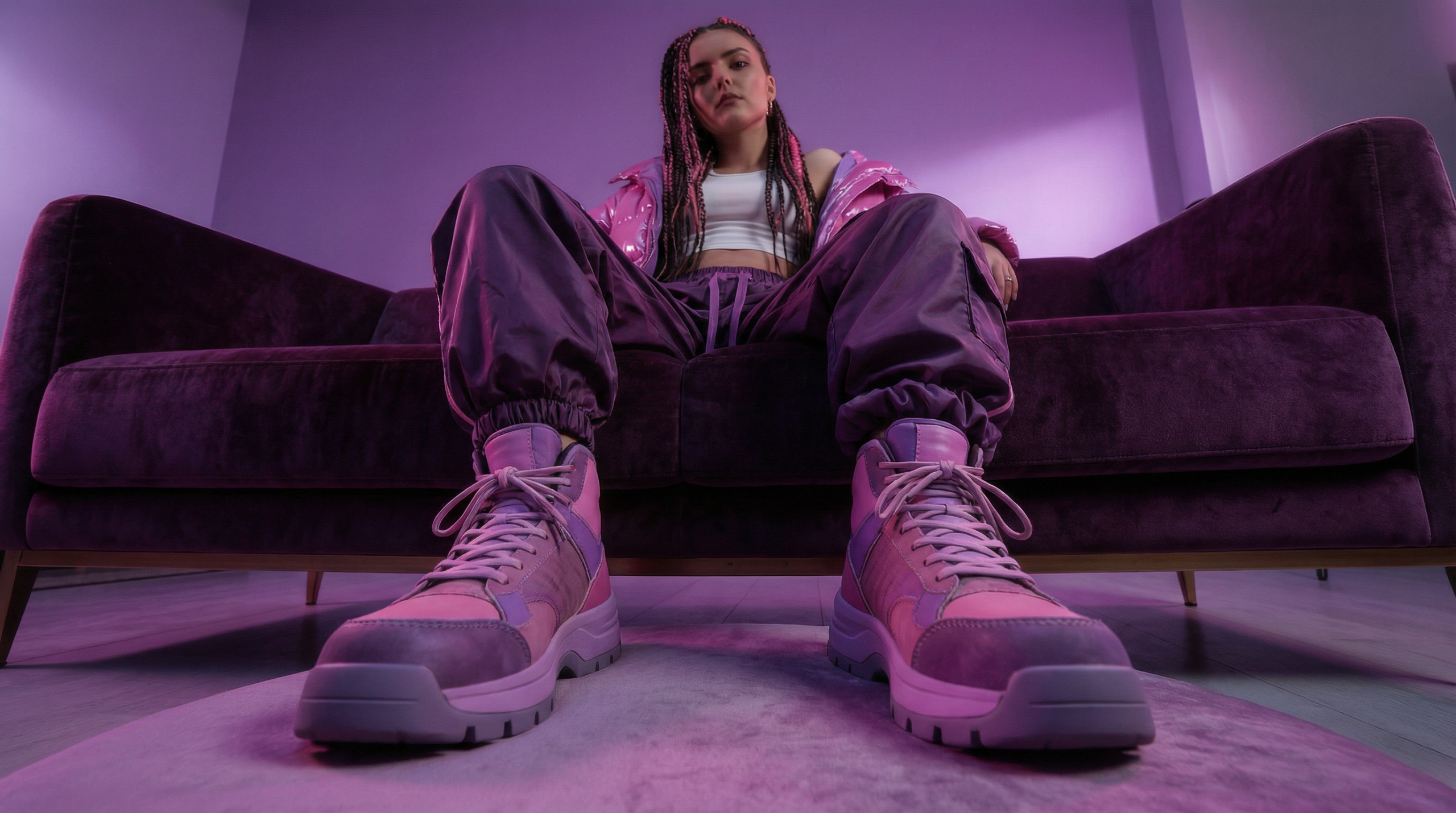
Worms Eye
"Extreme low angle worm's eye view of [character], camera at ground level looking up, dramatic lighting”
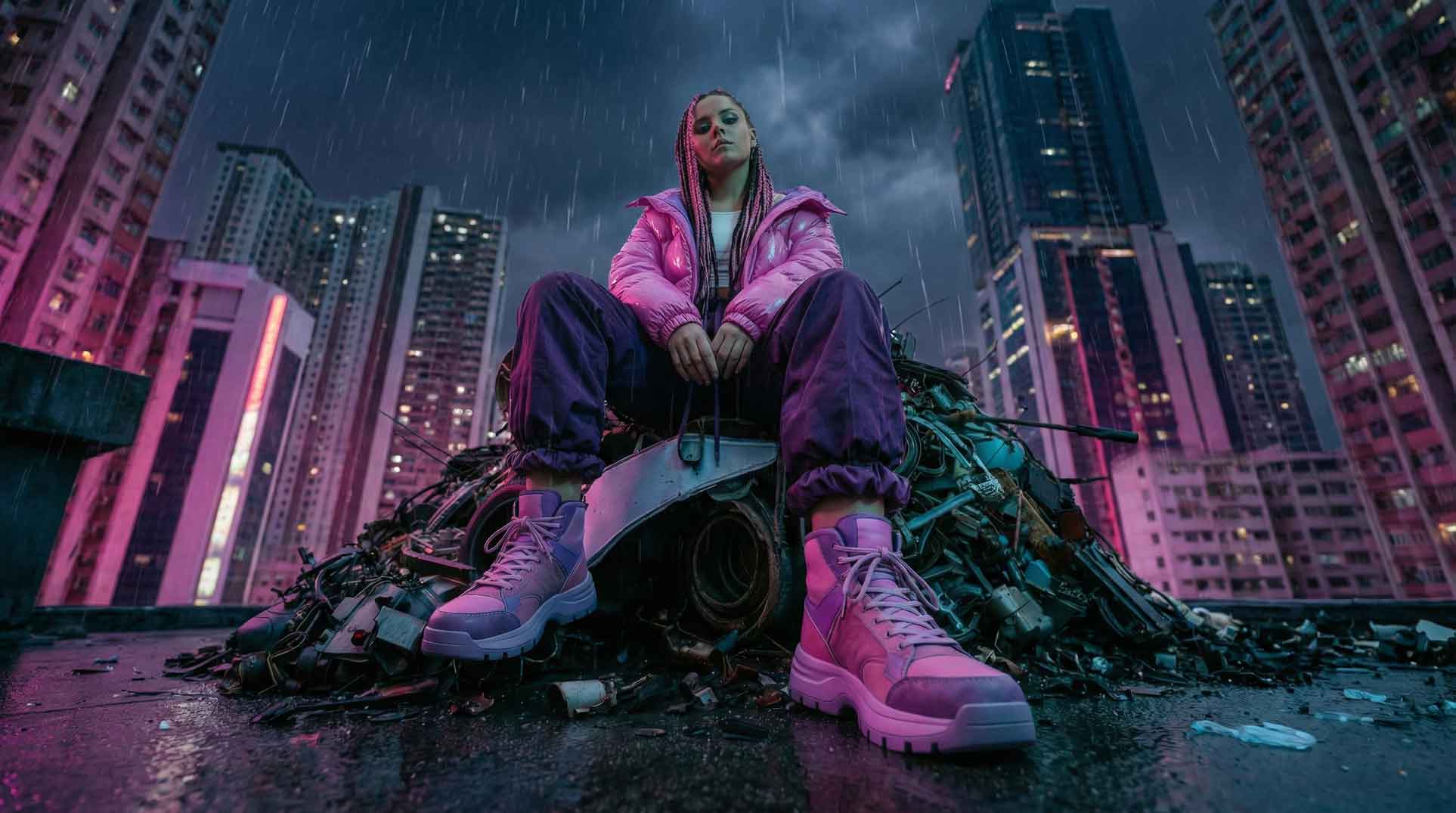
Worms Eye
"Extreme low angle worm's eye view of [character], camera at ground level looking up, dramatic lighting”
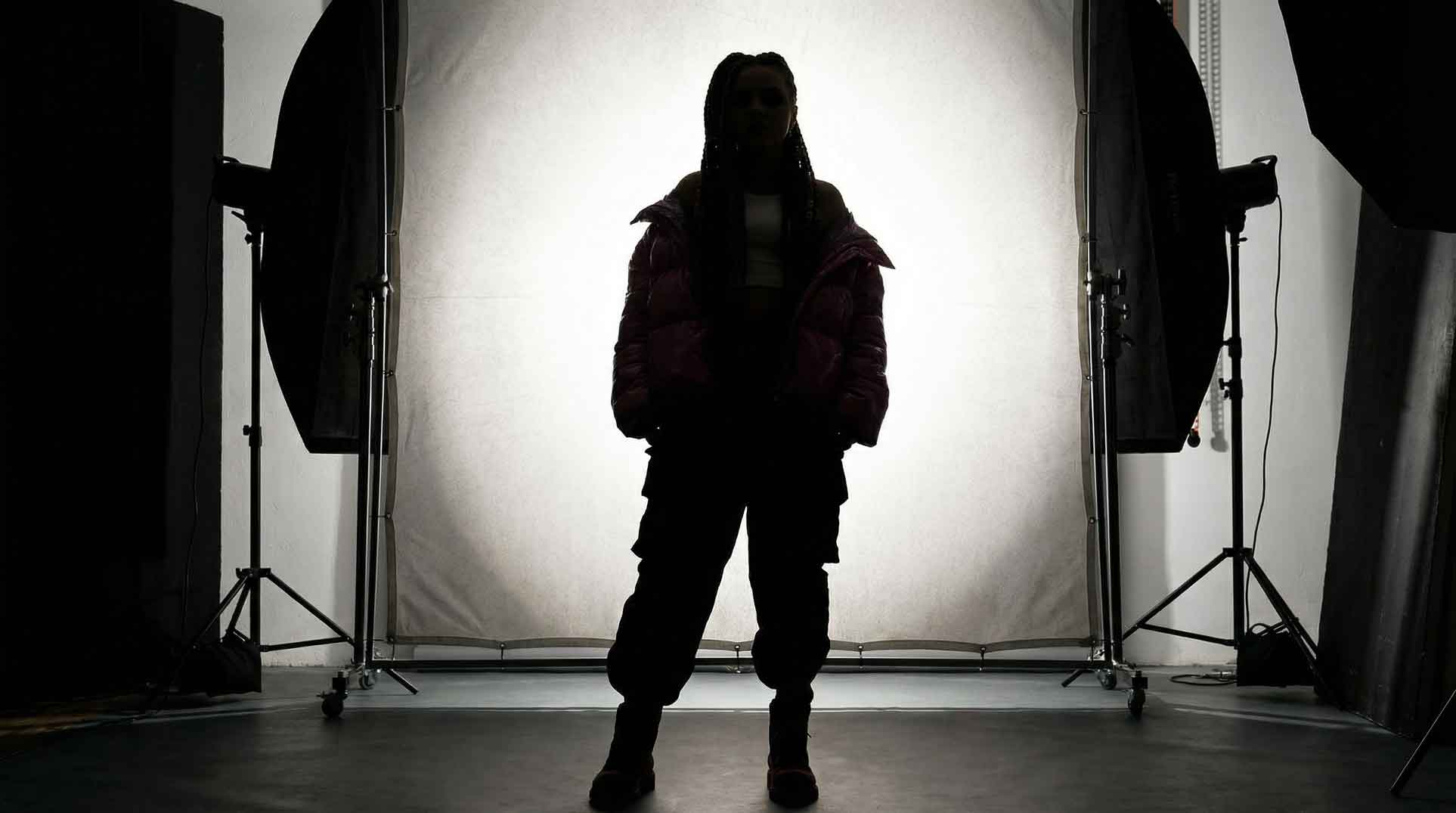
Silhouette
"Silhouette shot of [character] backlit against [background], dramatic contrast, cinematic composition”
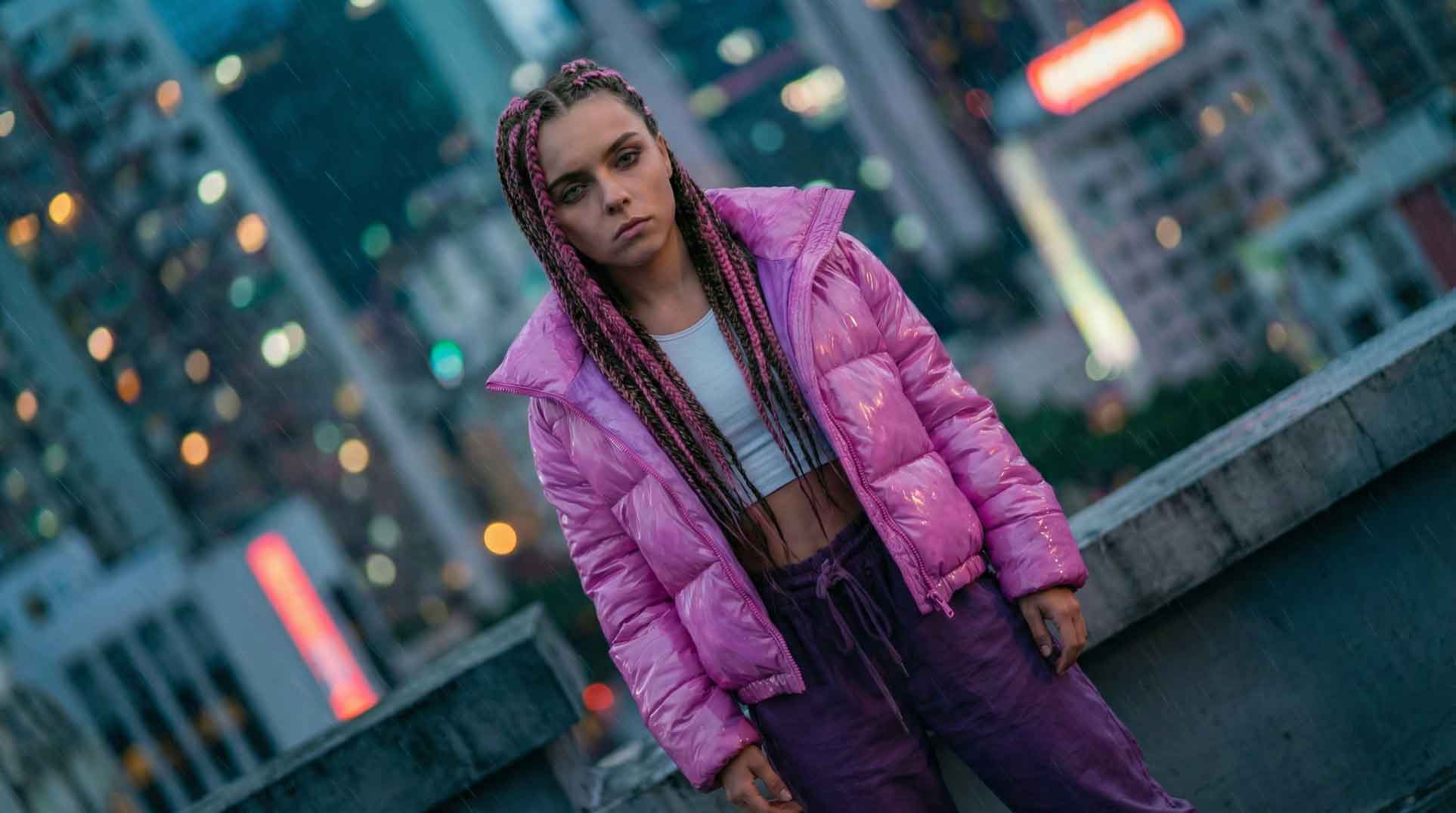
Dutch angle
"Dutch angle tilted shot of [character], off-kilter framing, cinematic lighting”
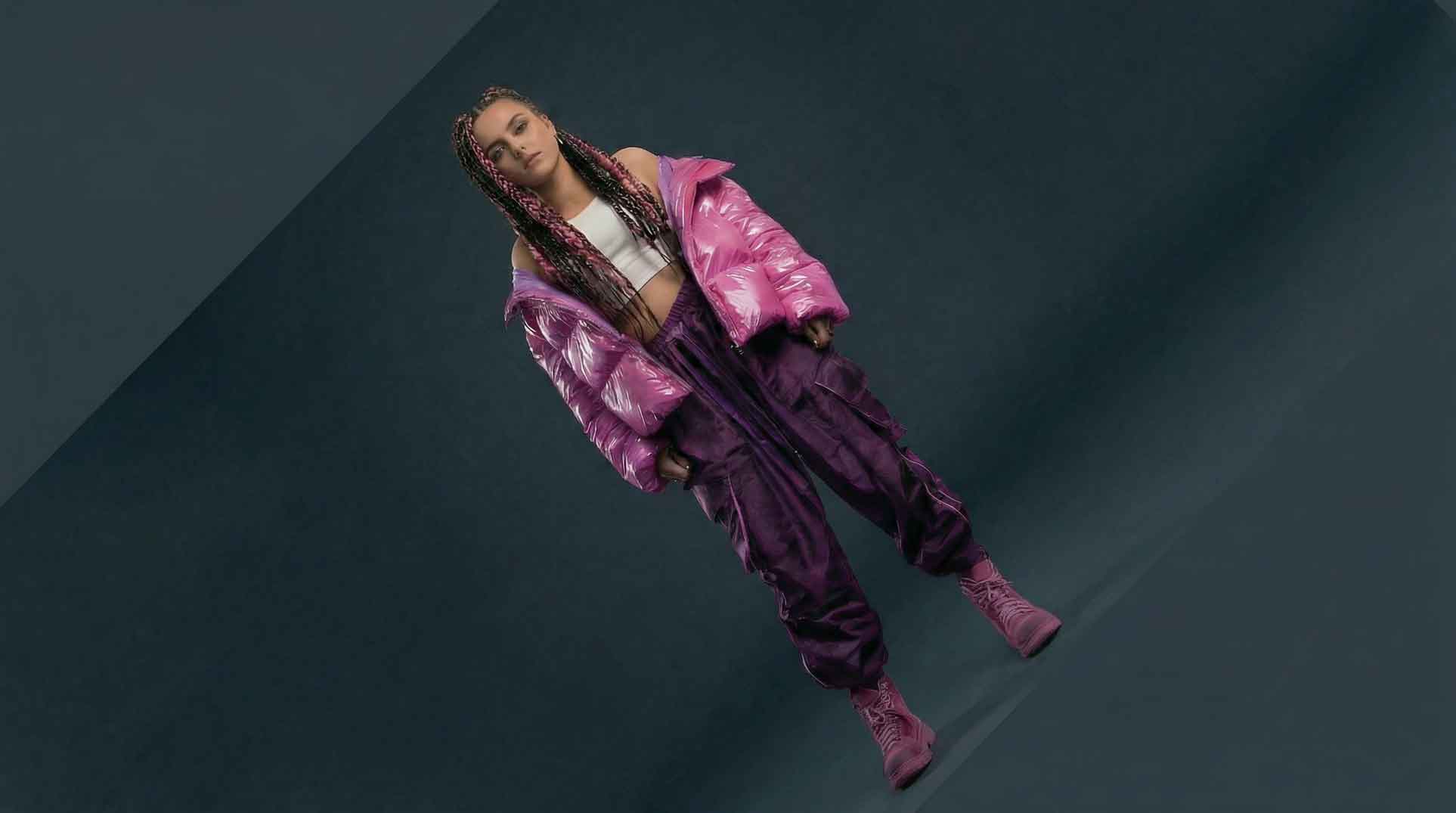
Extreme Dutch angle
"Extreme canted frame with [character], heavily tilted angle, disorienting composition”
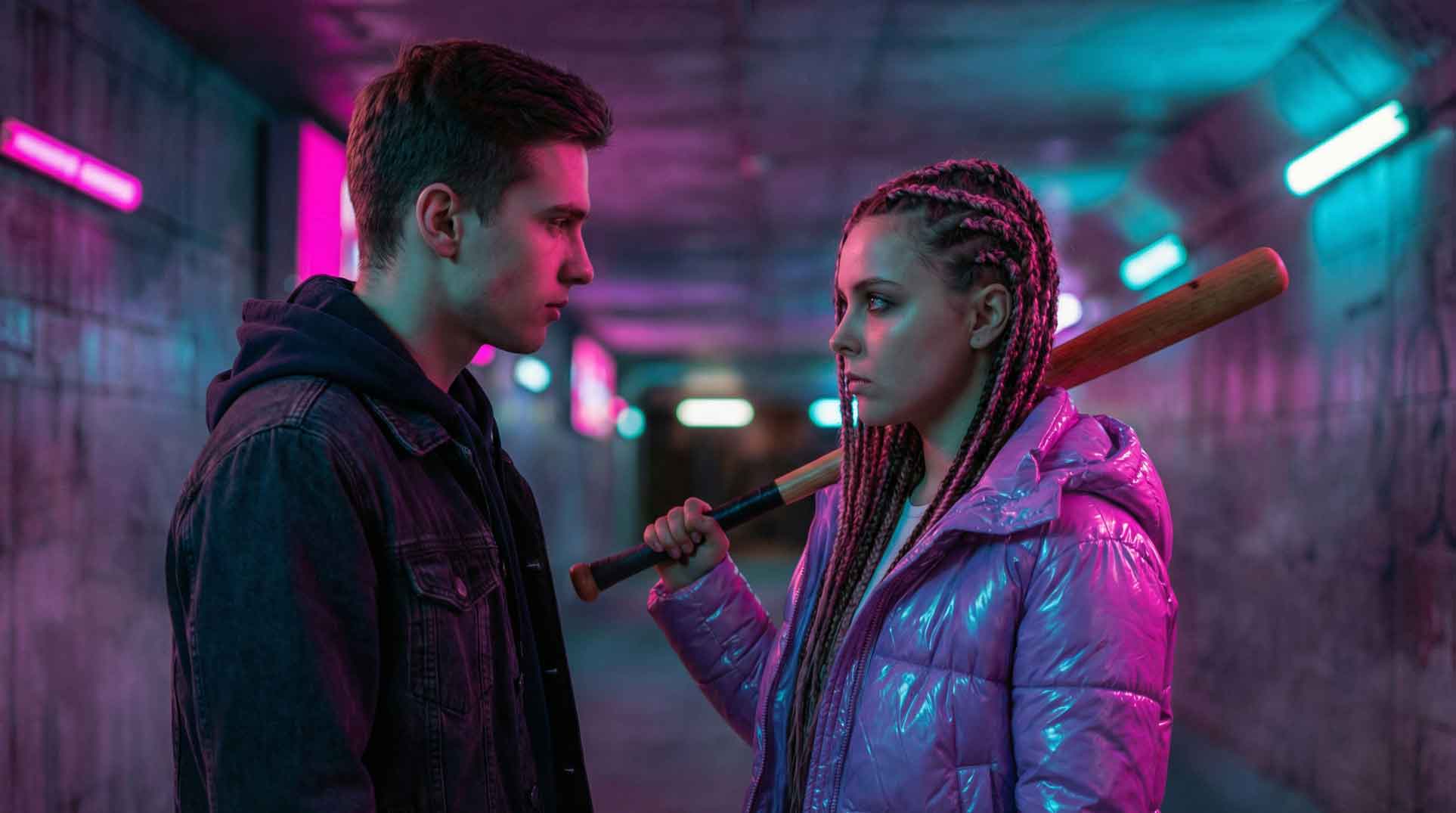
Two shot
"Two-shot of [character] and [second character] standing together in the landscape, cinematic framing”
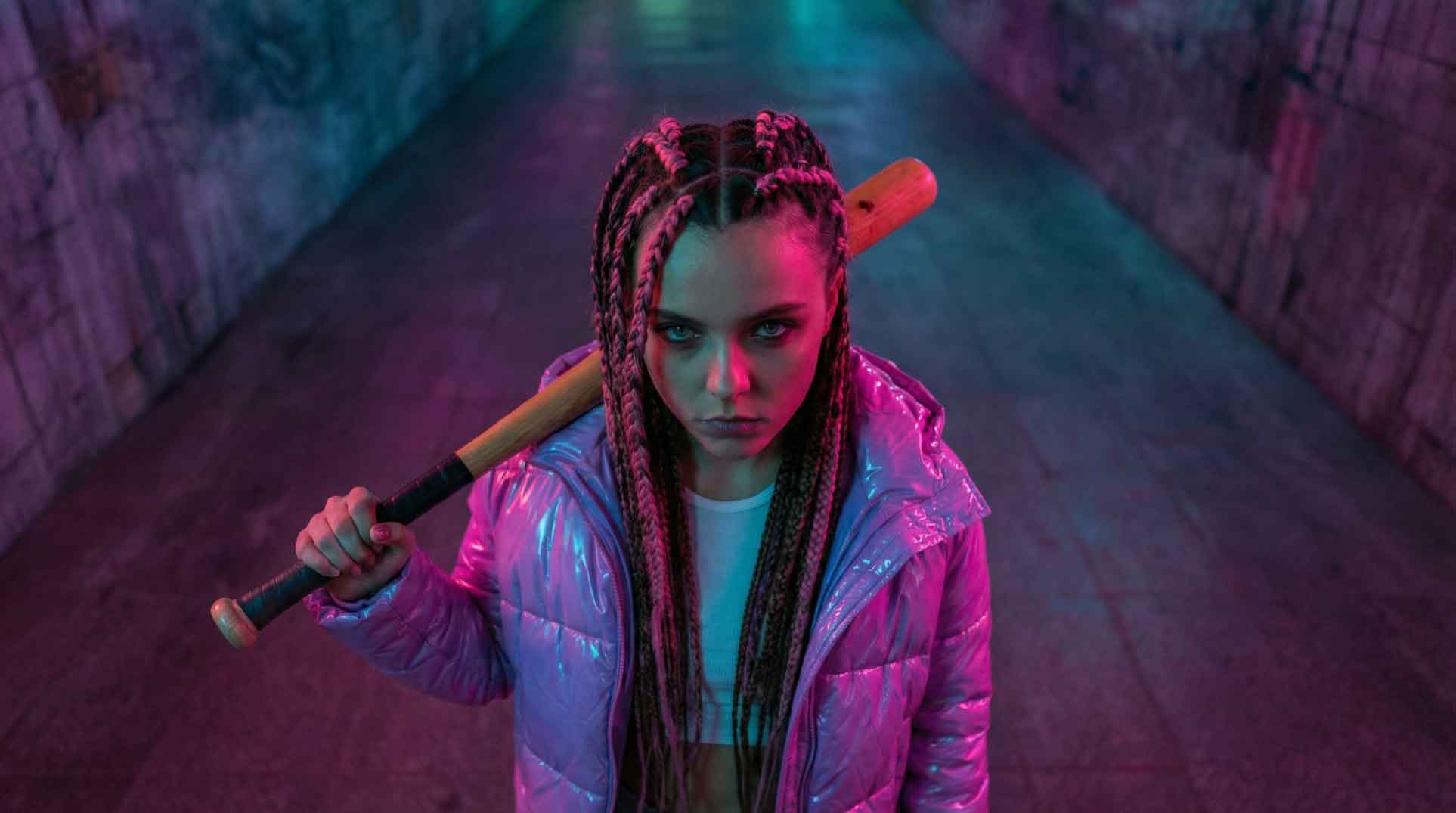
HIgh angle
"High angle shot of [character] seen from above, looking up, cinematic lighting”
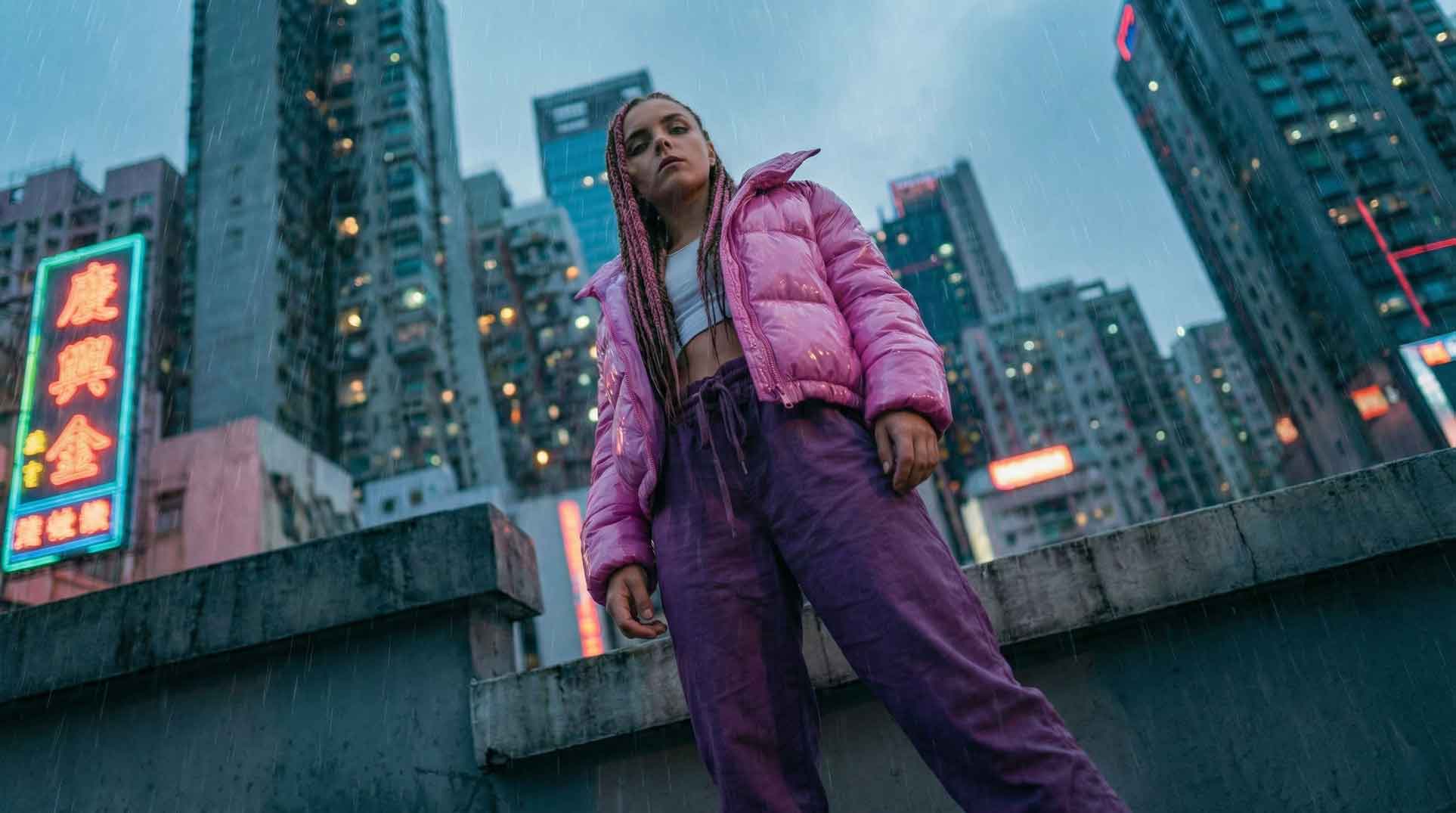
Low angle
"Low angle shot of [character] seen from below, looking down, cinematic lighting, powerful stance”
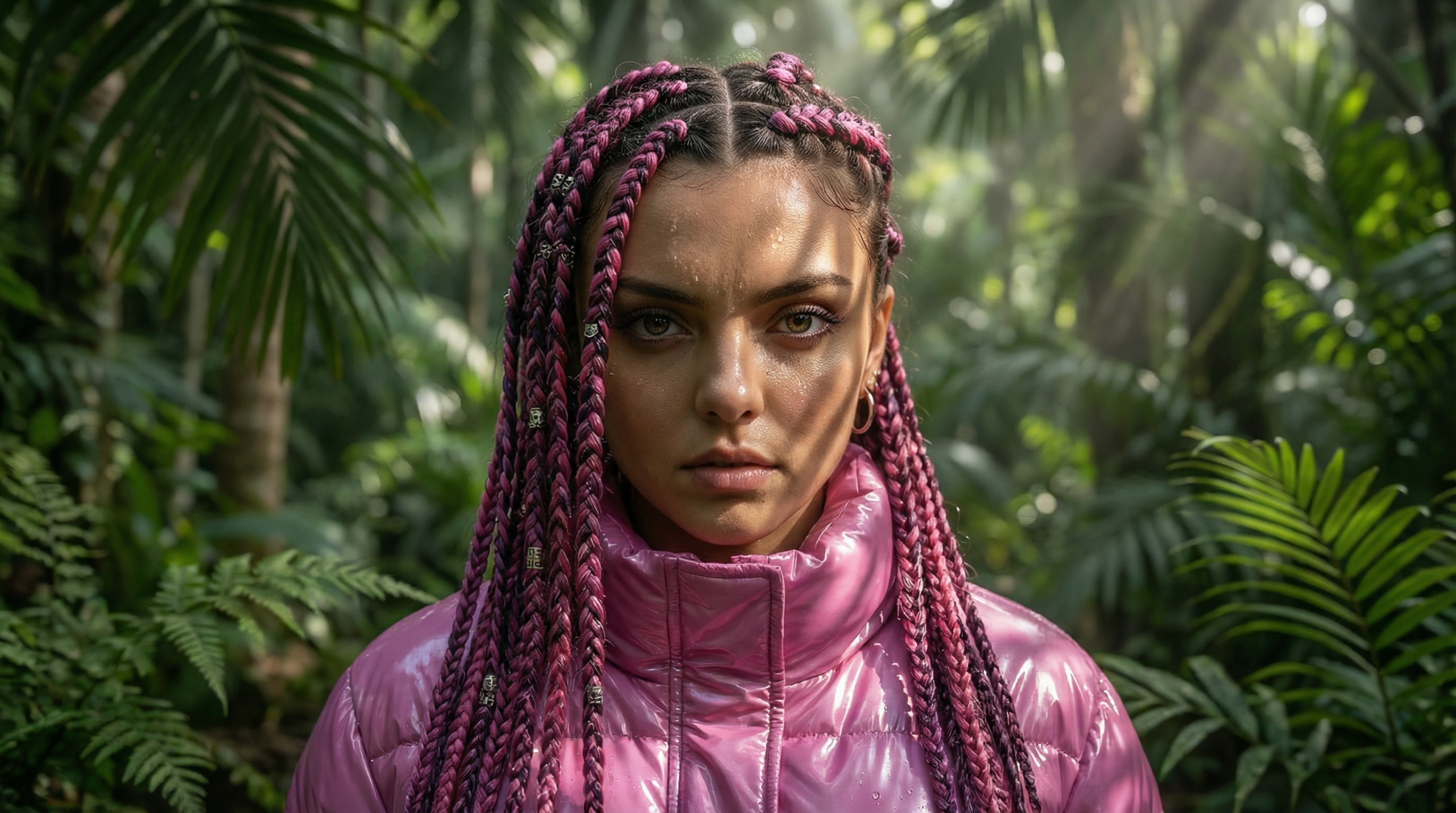
Eye Level
"Eye level shot of [character], neutral angle, cinematic lighting”
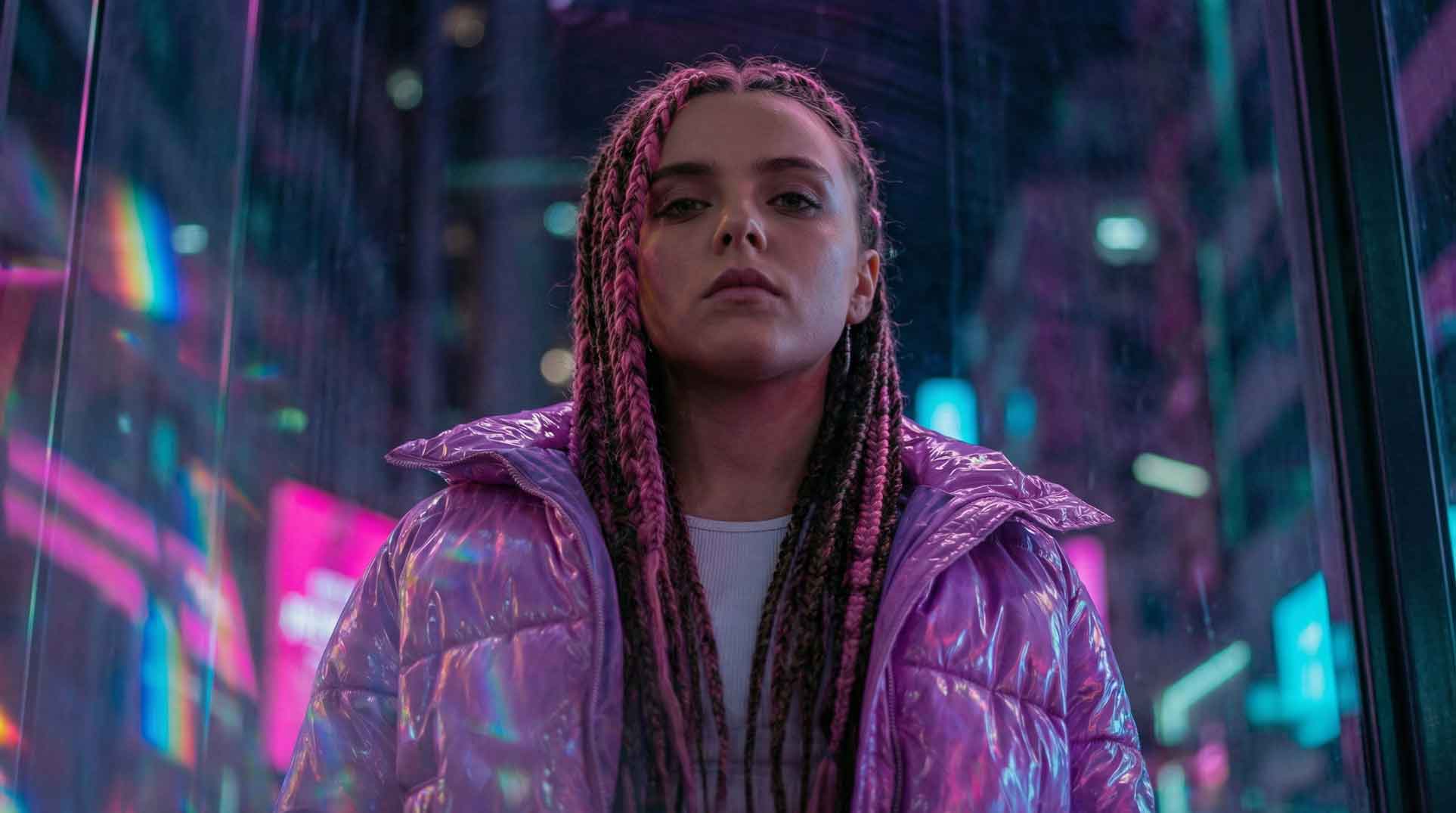
Low angle Close Up Comb
"Close-up shot of [character], then make it a low angle seen from below, cinematic lighting”
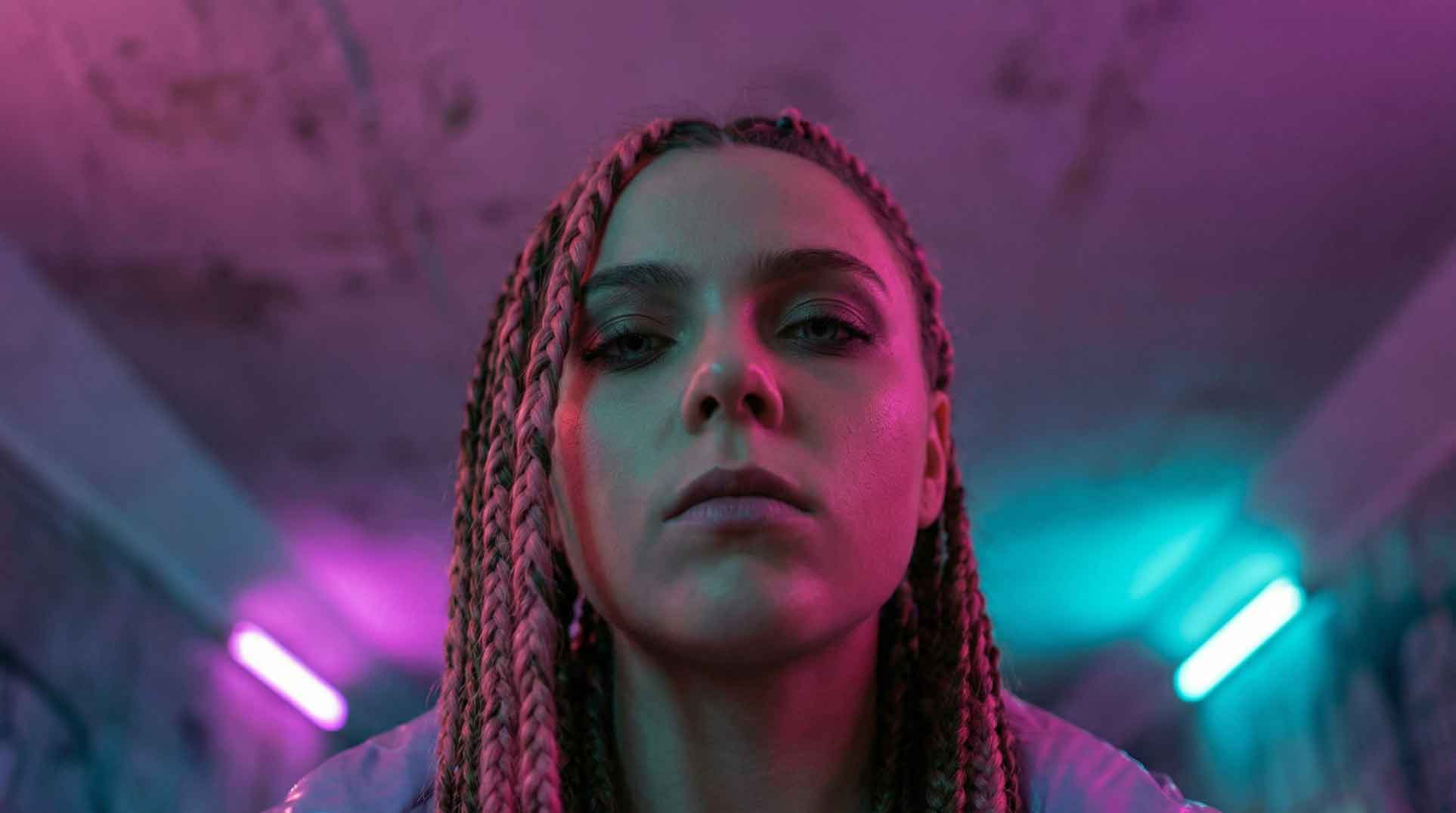
Low Angle Extreme Close Up Comb
"Extreme close-up of [character]'s face, low angle from below, dramatic lighting”
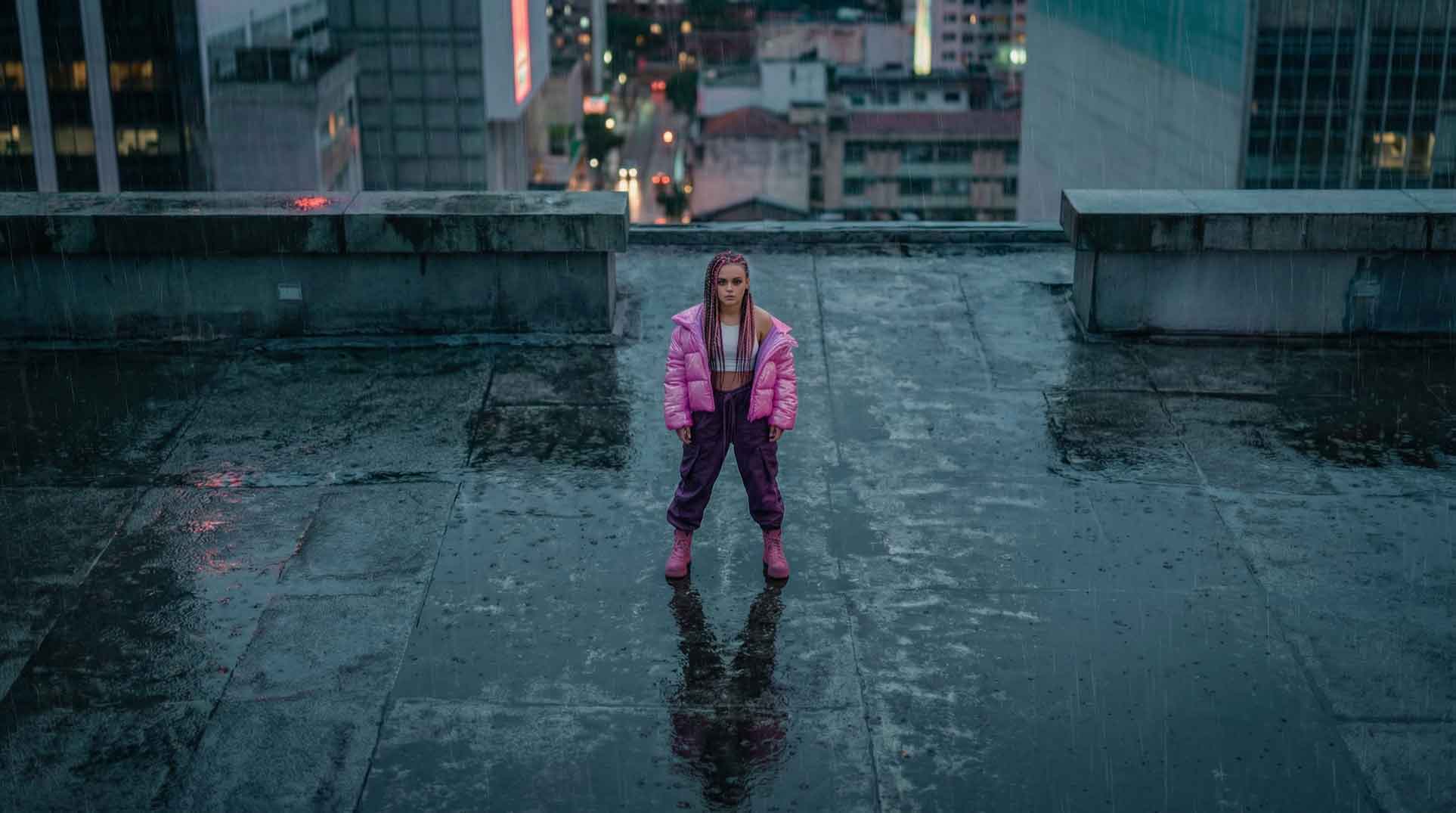
High angle Wide Comb
"Wide shot of [character], high angle seen from above, showing full environment, cinematic lighting”
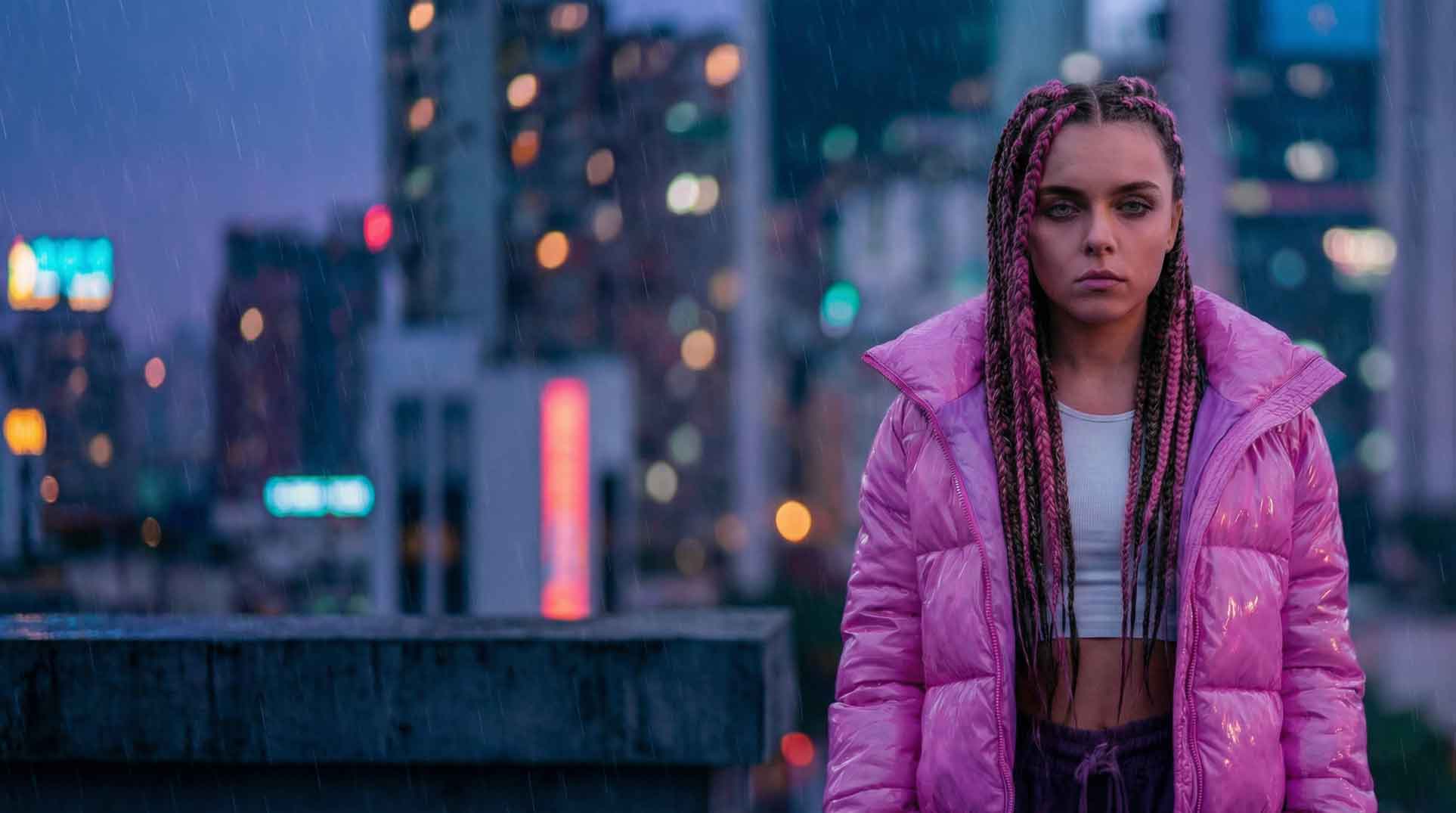
Off Centered
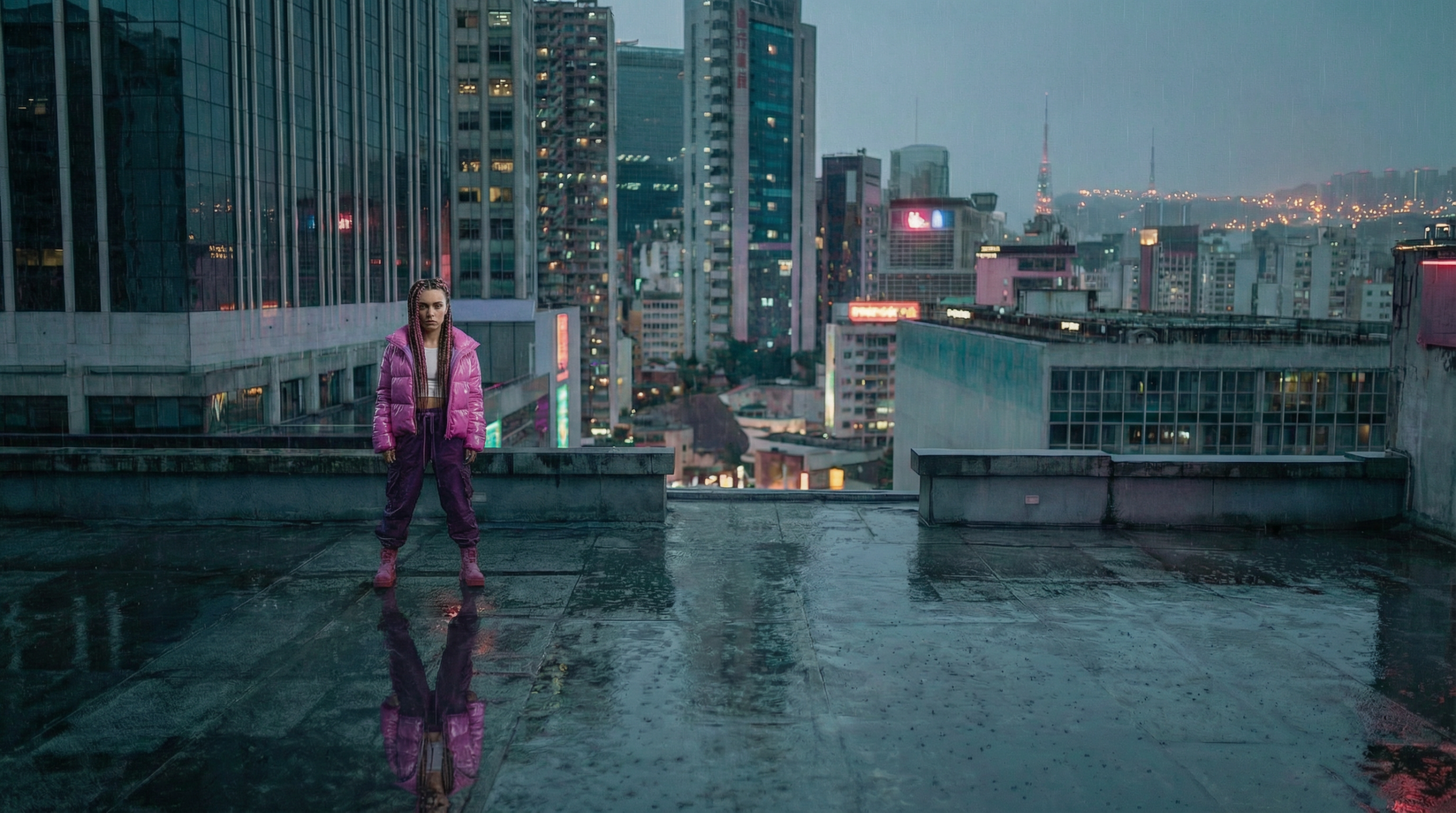
Off Centered
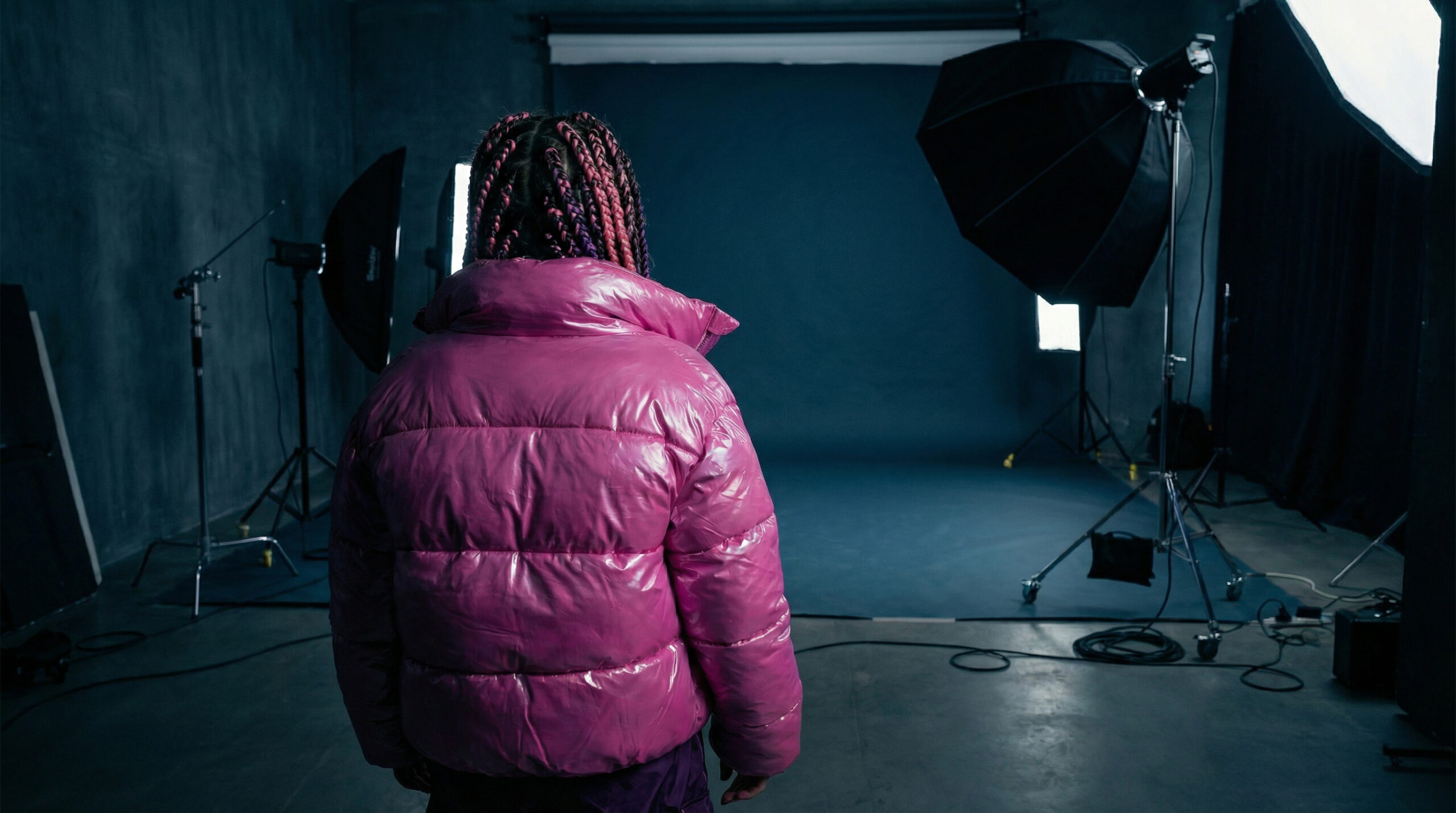
Over the Shoulder
"Over the shoulder shot looking past [character] toward [what they're looking at], cinematic framing”
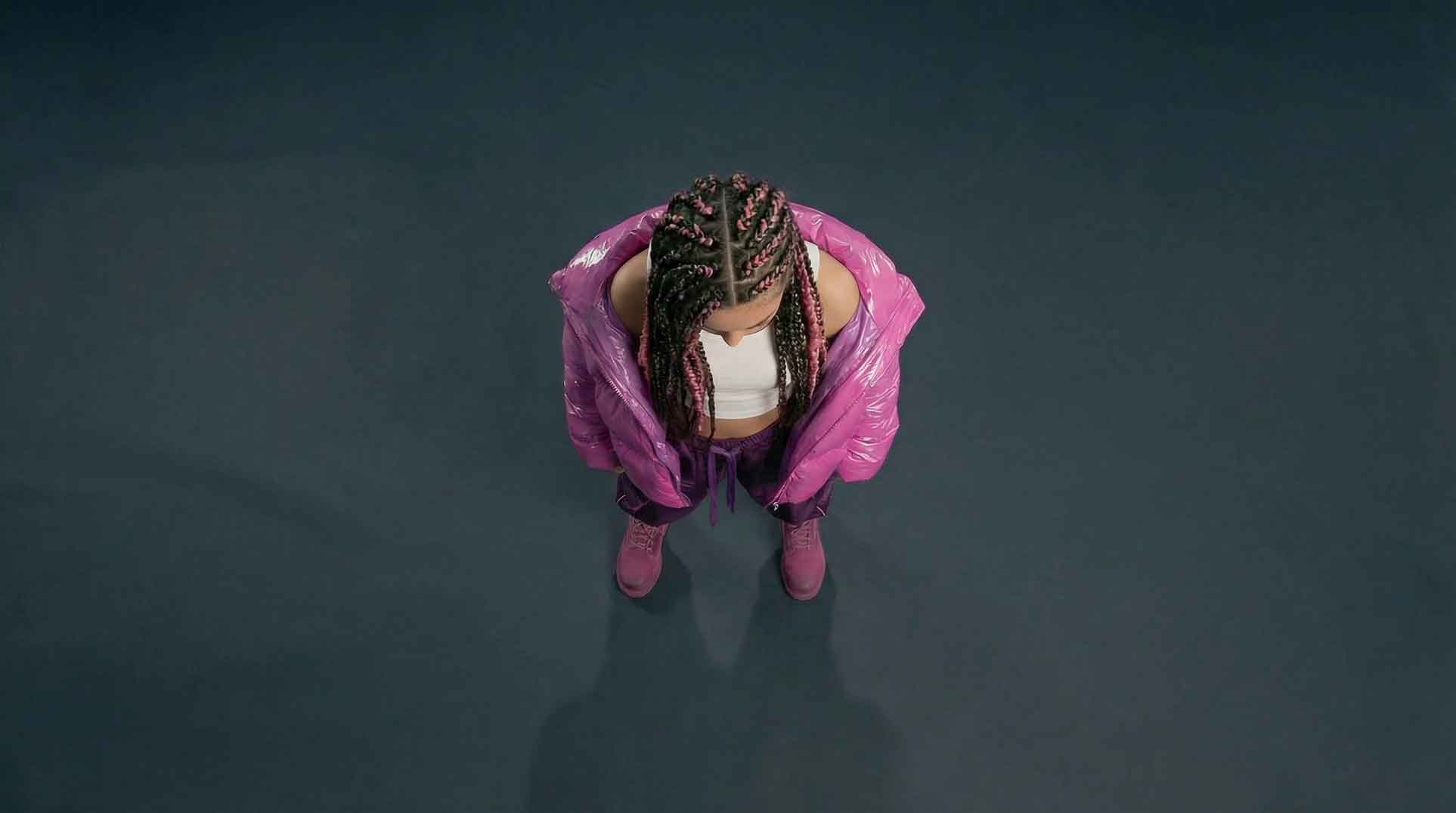
Birds Eye View
"Bird's eye view overhead shot of [character] standing in the landscape, directly from above”
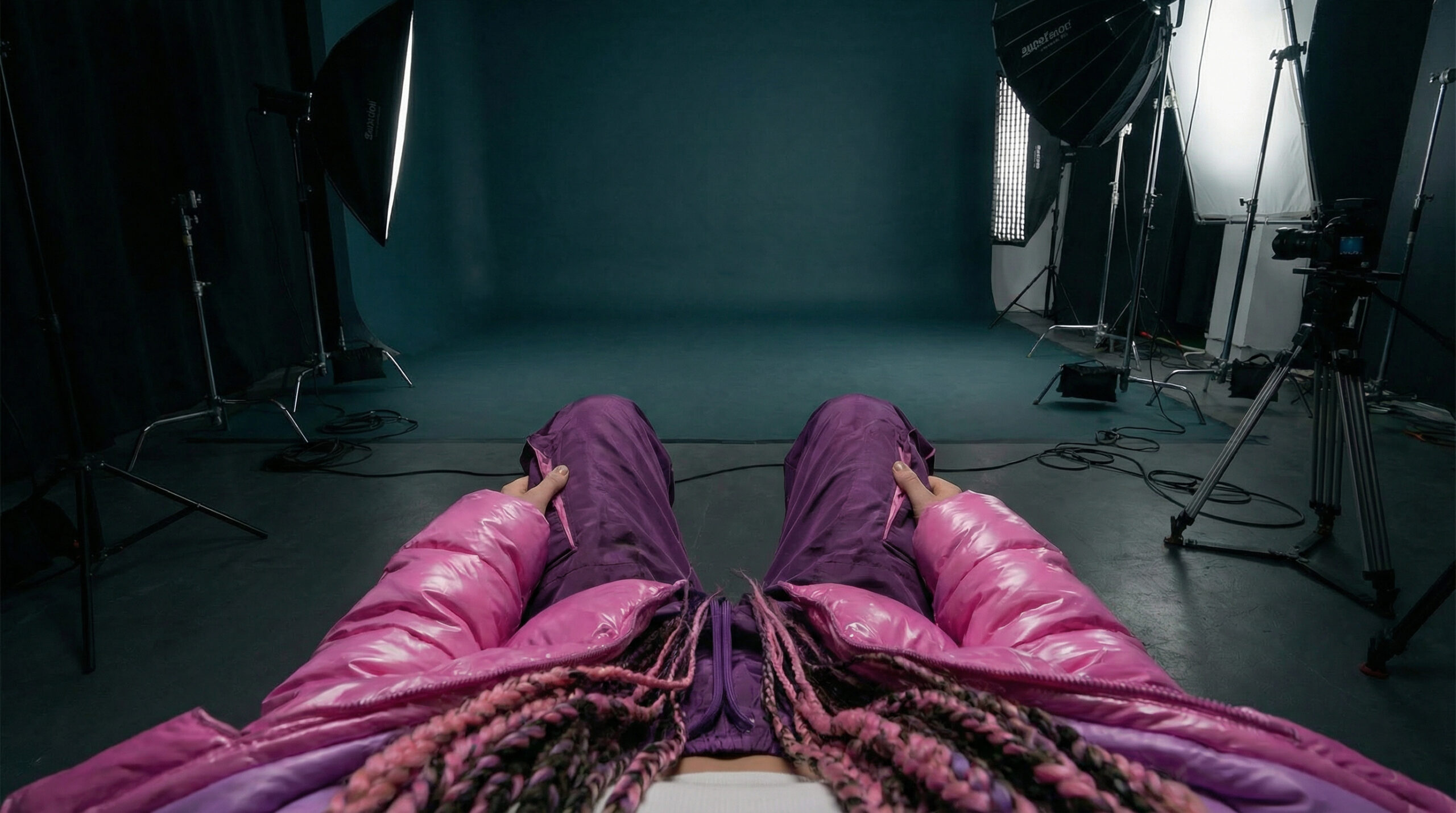
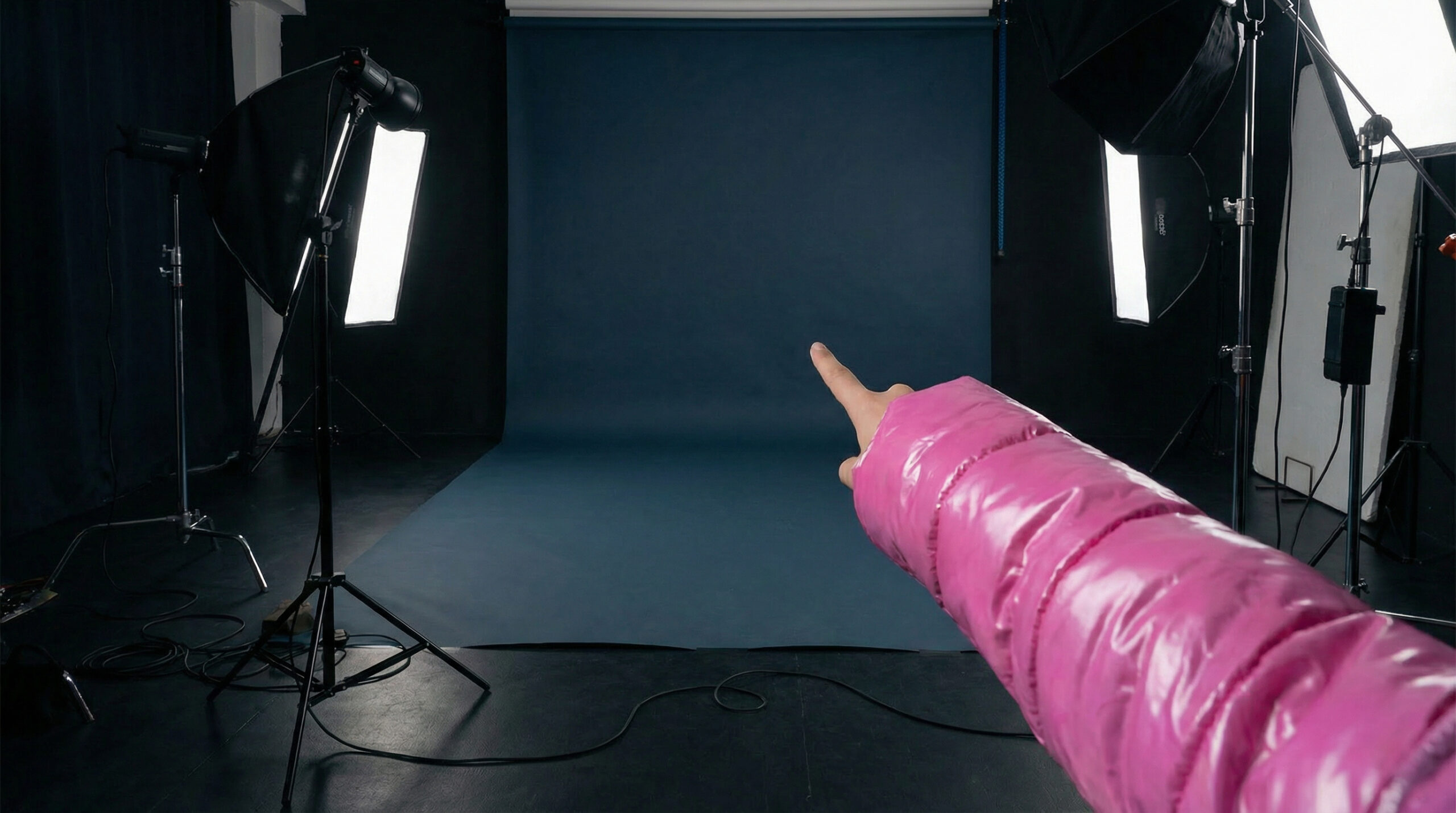
POV
"Point of view shot from [character]'s perspective, looking out at [what they see]”
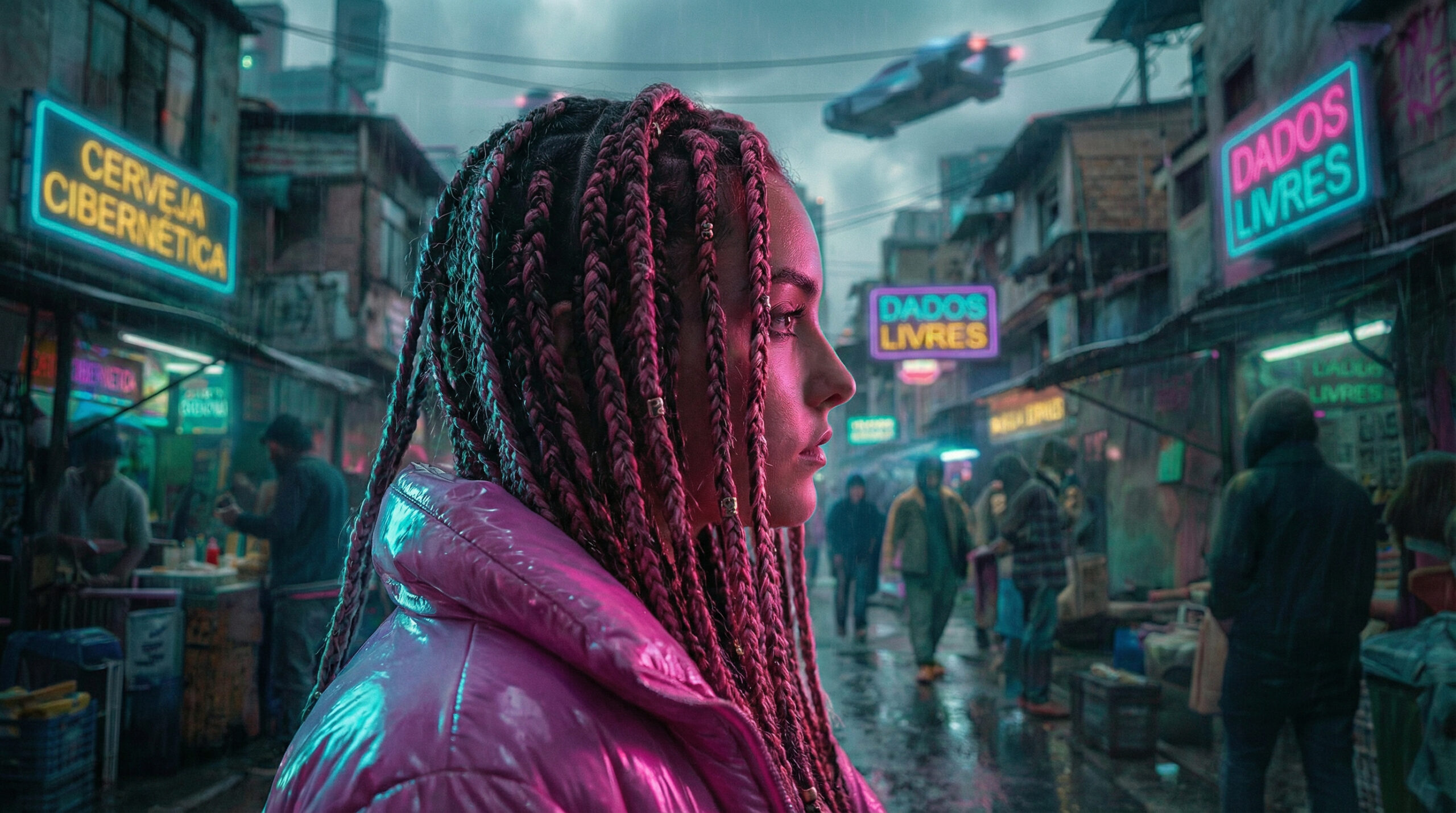
POV
"Point of view shot from [character]'s perspective, looking out at [what they see]”
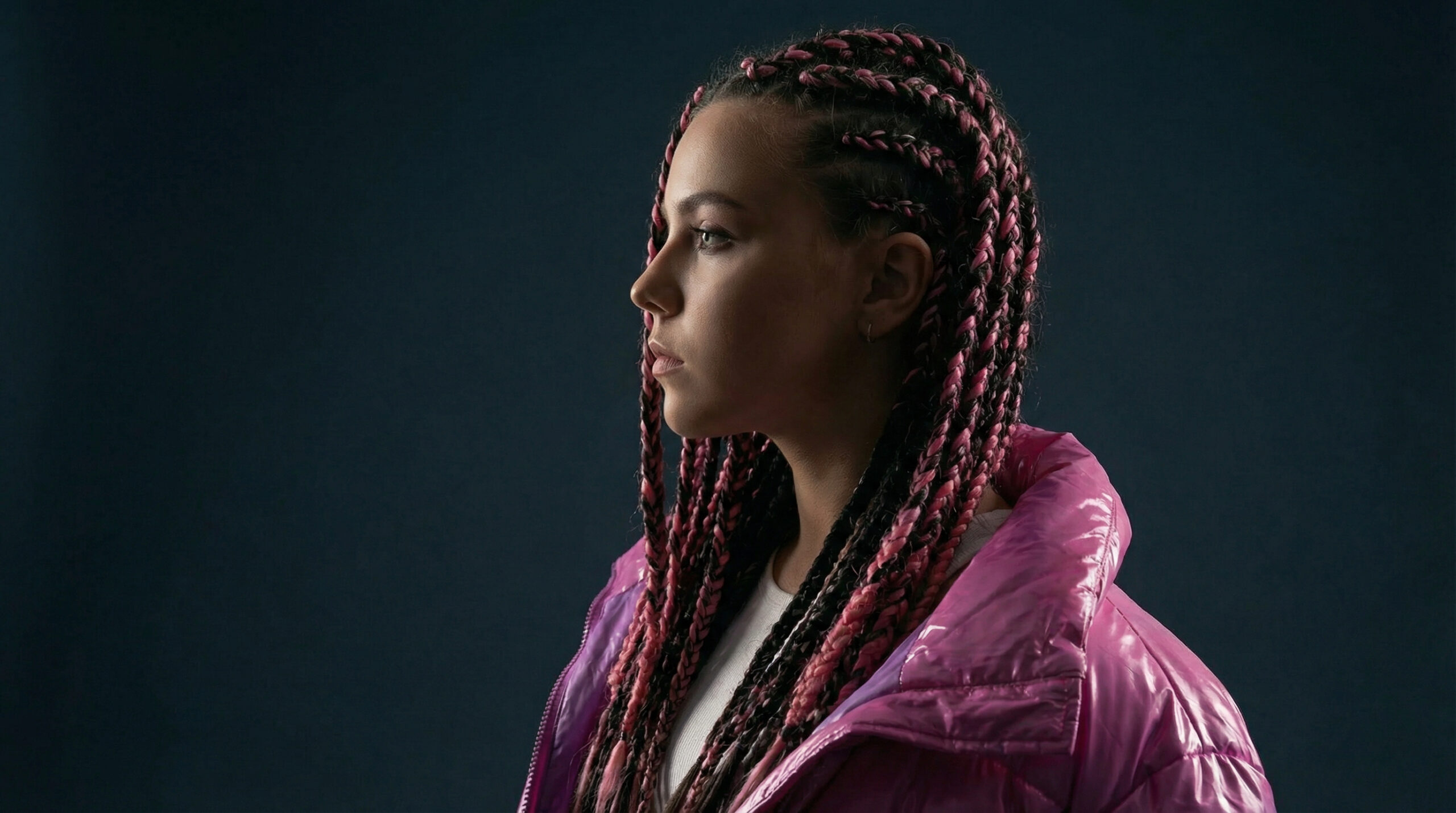
Profile Shot
"Side profile shot of [character], cinematic lighting, sharp focus on facial features”
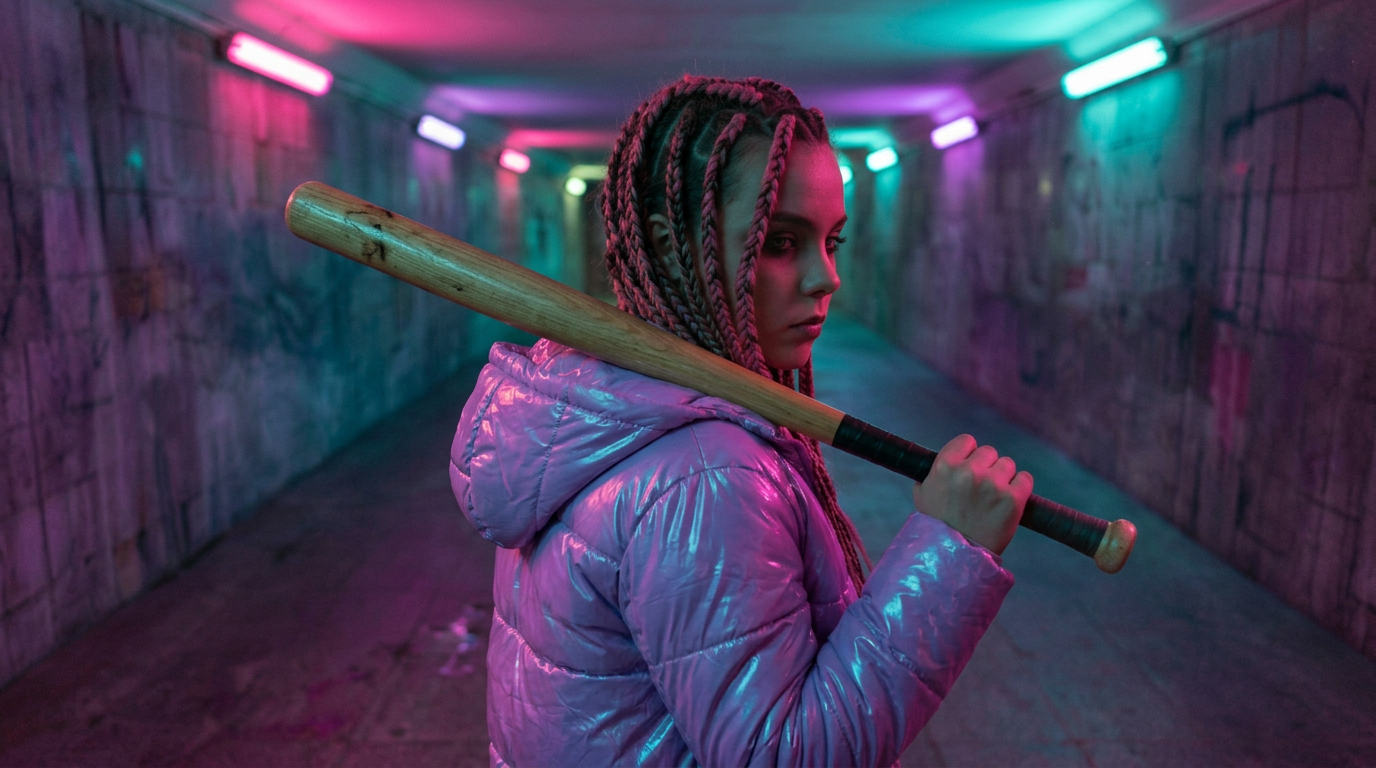
Profile Shot Studio
"Side profile shot of [character], cinematic lighting, sharp focus on facial features”
Three Quarter
"Three-quarter angle shot of [character], slightly turned from camera, cinematic lighting”
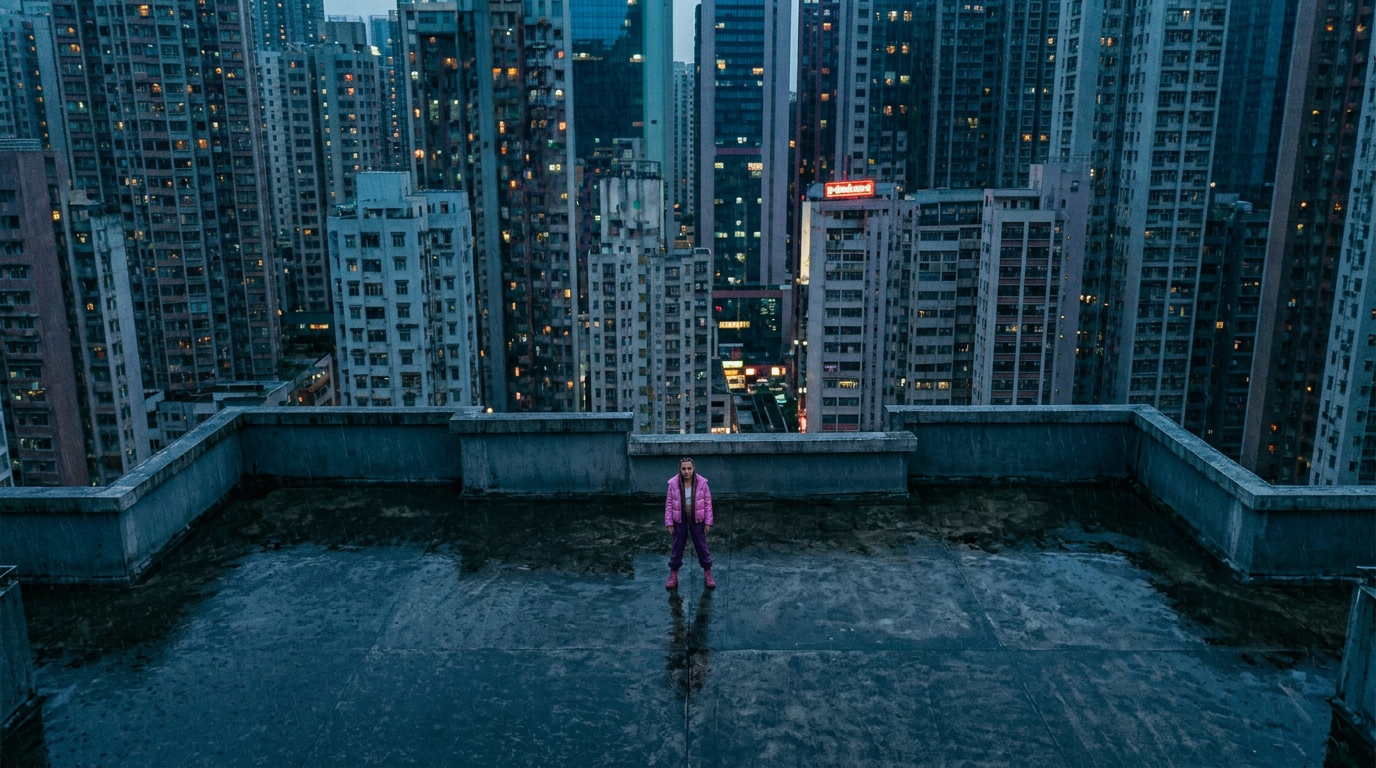
Drone View
Drone fly over, high altitude flight moving forward over the landscape.
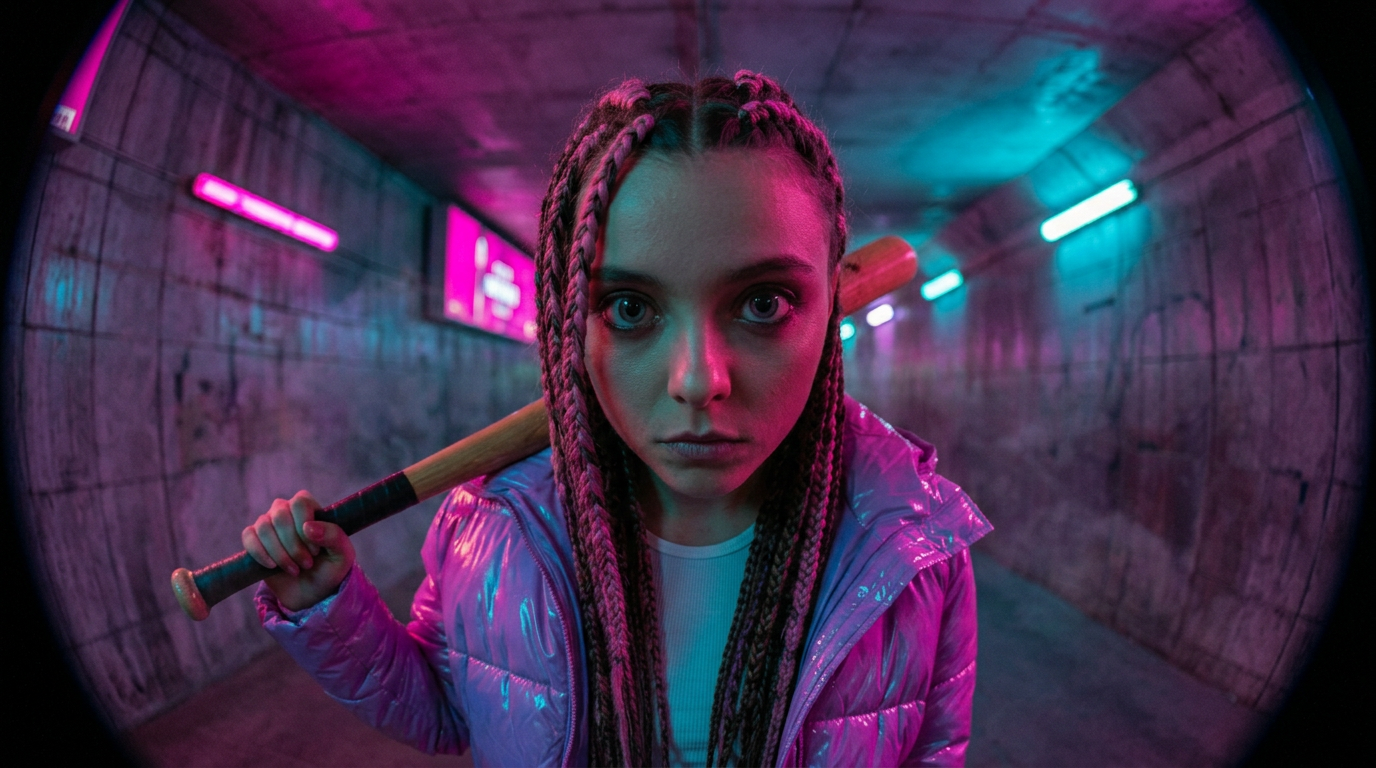
Fish Eye Lens
Fisheye lens, extreme wide-angle distortion, circular frame.
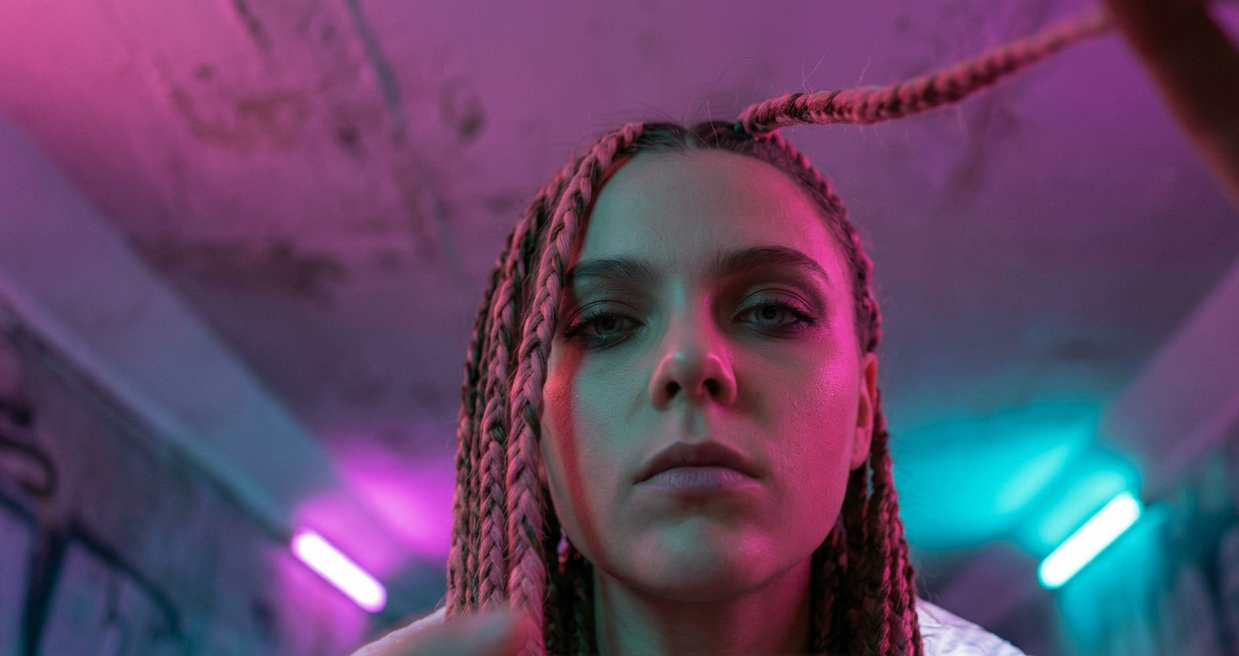
Selfie
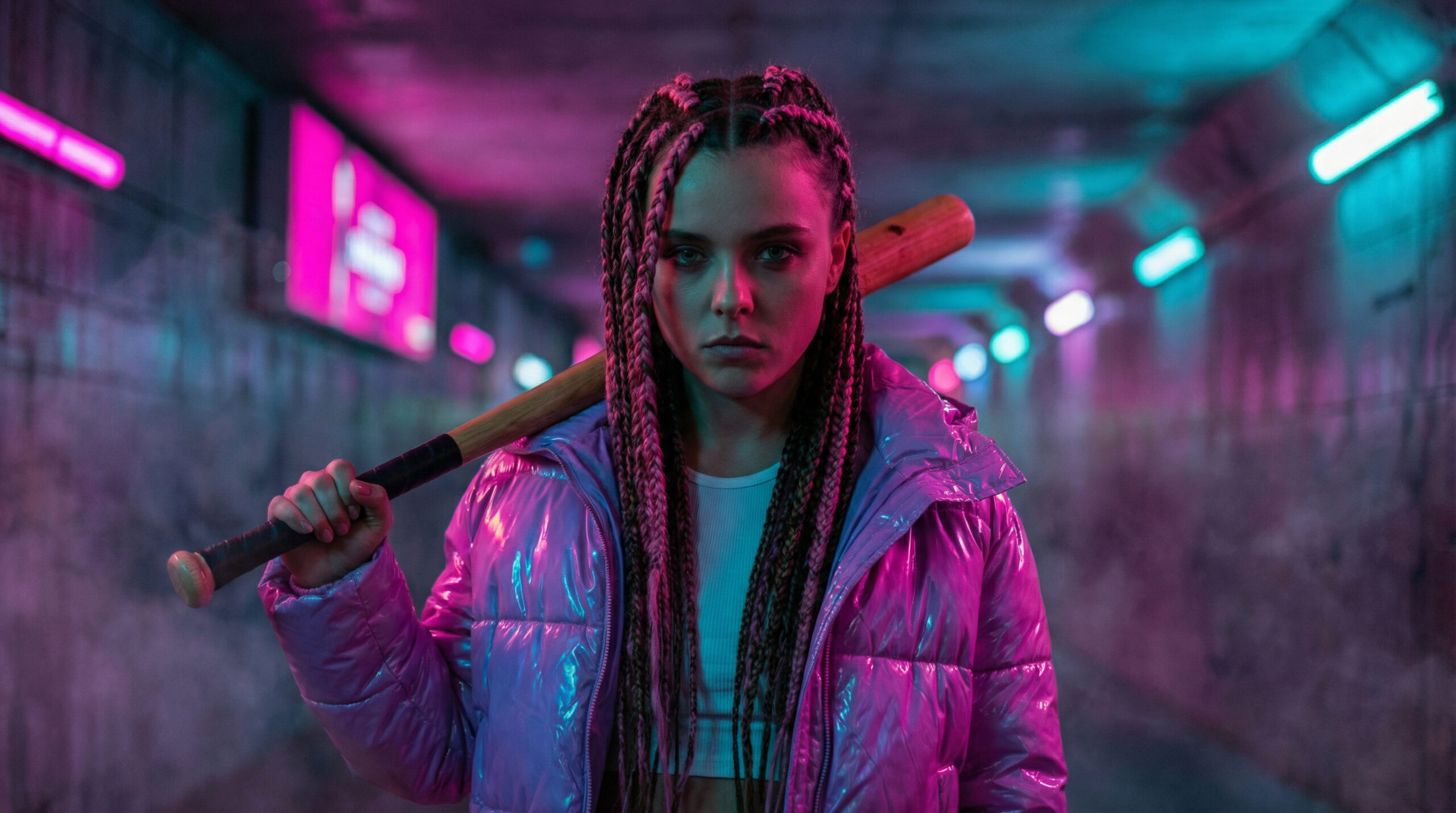
Eye Level Medium shot
"Eye-level , medium shot of [character], cinematic lighting, showing detailed facial expression”
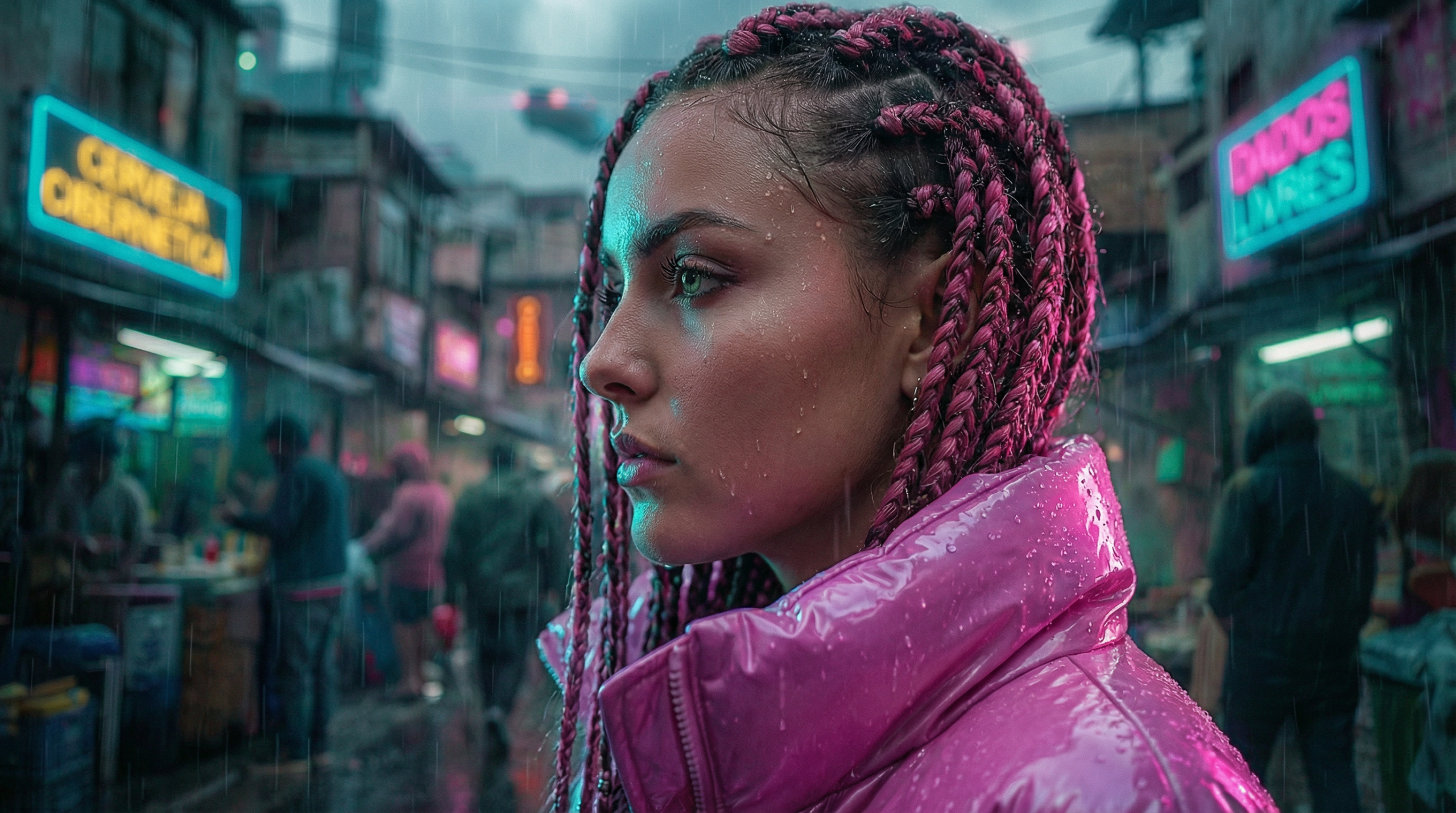
Profile Shot
"Side profile shot of [character], cinematic lighting, sharp focus on facial features”
The Power of Camera Movement in Storytelling
In cinema and animation, the camera is not just a tool — it is a narrator. It breathes, observes, and feels alongside the characters. Every movement, every angle, every subtle shift in perspective carries meaning.
To understand camera movement is to understand how to guide emotion.
A slow push-in can reveal intimacy, drawing the audience into a character’s inner world. A handheld shot can create tension, instability, even chaos. A wide, distant frame can isolate a character, making their loneliness palpable without a single word spoken. These choices are not technical decisions — they are emotional language.
Film, by nature, is a visual medium. It does not tell — it shows.
And what it shows is shaped directly by how the camera sees.
Learning camera angles and movements allows storytellers to control perspective:
Who holds power in a scene?
Who feels vulnerable?
What should the audience feel — and when?
A low angle can elevate a character into dominance or myth. A high angle can diminish them, exposing fragility. A point-of-view shot places us inside their eyes, dissolving the boundary between audience and character.
This is where true connection happens.
When used with intention, camera language bridges the gap between viewer and character. It transforms observation into experience. We don’t just watch the story — we feel it. We become part of it.
Great storytelling is not only about what happens, but how it is perceived. As dramatic theory reminds us, emotion emerges from the interplay between character, conflict, and perspective.
And the camera is the lens through which that interplay becomes alive.
To study camera movement is to study empathy in motion.
Because in the end, a story is not remembered for its dialogue alone — but for how it made us feel, frame by frame.
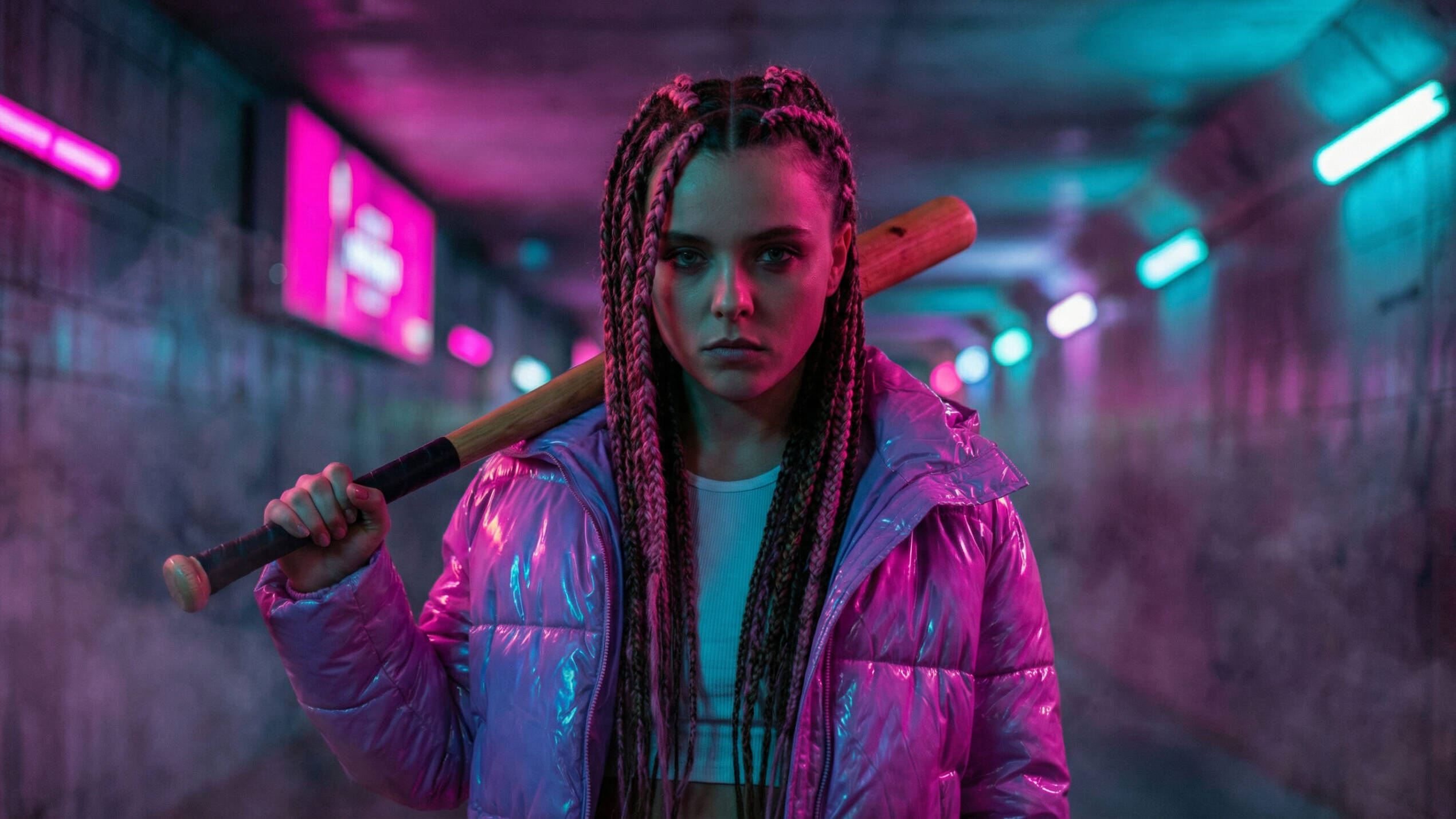
Studying camera movement and angles is not just a technical exercise
It is a way of training your eye to think like a storyteller. By analyzing films, practicing shot composition, and understanding how visual choices affect emotion, you begin to see how meaning is constructed beyond dialogue. Over time, these concepts become intuitive, allowing you to translate ideas into visual language with clarity and intention. As with any craft, repetition and observation are essential: the more you study how great filmmakers use the camera to express conflict, emotion, and perspective, the more naturally you will be able to create immersive and emotionally resonant stories of your own.
Next let’s give them some moves.